That striking black-and-white cat with the formal-looking coat pattern has a name: the tuxedo cat. These dapper felines look like they’re perpetually dressed for a fancy occasion, complete with a white “shirt front” and sometimes even white “spats” on their paws. But here’s what many people don’t realize: tuxedo isn’t actually a cat breed. It’s a coat color pattern that can appear in dozens of different breeds.
Whether you’re considering adopting a tuxedo cat or simply curious about what makes these black-and-white cats so special, this guide covers everything from genetics and personality to care tips and adoption resources in the USA.
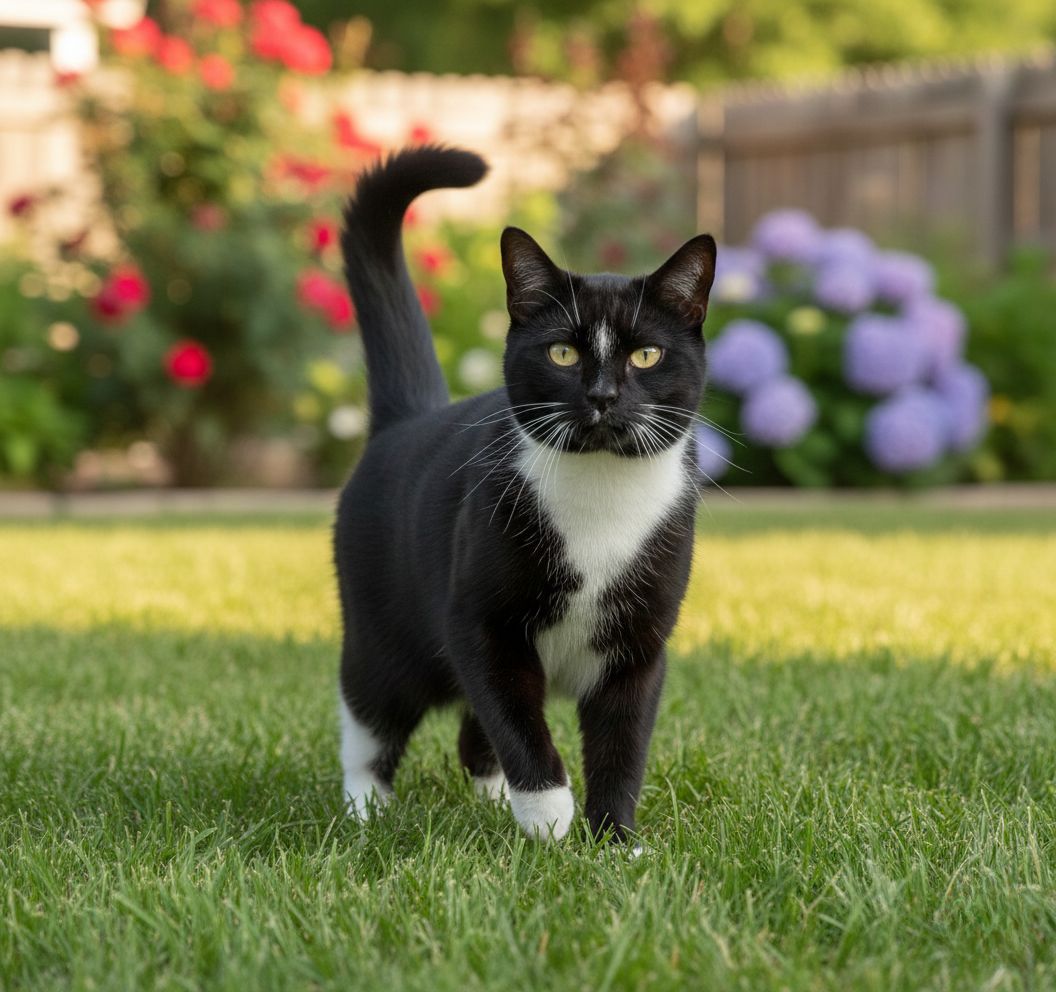
A classic tuxedo cat displaying the distinctive black body with white chest and paws that gives the pattern its formal name.
Quick Facts About Tuxedo Cats
| Characteristic | Details |
|---|---|
| Type | Coat color pattern (not a breed) |
| Other Names | Tuxie, Felix cat, Jellicle cat, bicolor |
| Lifespan | 13-20 years (depending on breed) |
| Size | Varies by breed (up to 18 lbs for Maine Coon) |
| Coat Pattern | Black body with white chest, paws, and face markings |
| Gender Distribution | Equal male and female |
| Adoption Cost (USA) | $50-$200 from shelters |
What Is a Tuxedo Cat?
A tuxedo cat is any cat with a specific black-and-white bicolor coat pattern that resembles formal evening wear. The pattern typically features a predominantly black coat with white markings on the chest (like a dress shirt), paws (like gloves or spats), and often on the face or chin (sometimes resembling a bow tie).
Tuxedo Is a Pattern, Not a Breed
One of the most common misconceptions about tuxedo cats is that they’re a specific breed. They’re not. “Tuxedo” describes only the coat coloring, not the cat’s breed, size, or temperament. This means a tuxedo cat could be a Maine Coon, a British Shorthair, an American Shorthair, or a mixed-breed domestic cat from your local shelter.
Breeds commonly seen with the tuxedo pattern include:
- Domestic Shorthair – The most common tuxedo cat type
- American Shorthair – One of the first breeds recognized by the Cat Fanciers’ Association
- British Shorthair – Known for their stocky build and dense coat
- Maine Coon – The largest domestic cat breed, reaching up to 18 pounds
- Manx – The tailless or short-tailed breed
- Scottish Fold – Recognized by their folded ears
- Cornish Rex – Featuring a distinctive curly coat
- Norwegian Forest Cat – Long-haired with a thick coat
What Makes a Cat “Tuxedo”
To be considered a true tuxedo, a cat’s coloring should feature a black coat with white fur limited to specific areas: the paws, belly, chest, throat, and often the chin. Some tuxedo cats have additional white markings that create the appearance of a bow tie, goatee, or mustache. The white markings on the paws are sometimes called “spats,” named after the shoe coverings once worn with formal attire.

Tuxedo Cat Patterns and Variations
Tuxedo cats fall under the broader category of bicolor cats, but not all bicolor cats are tuxedos. The key difference lies in how much white appears on the coat and where it’s located.
How Tuxedo Differs from Other Bicolor Patterns
Cat registries like the Fédération Internationale Féline (FIFe) grade bicolor patterns on a scale of 1 to 10, with 1 being almost entirely colored and 10 being almost entirely white. Tuxedo cats typically fall in the low grades (1-4), meaning they have relatively little white—usually around 25% of their coat.
| Pattern | White Coverage | Description |
|---|---|---|
| Tuxedo | ~25% (grades 1-4) | White limited to chest, paws, and face on black body |
| True Bicolor | 25-50% | More even distribution between black and white |
| Harlequin | 50-75% | Mostly white with large colored patches |
| Van | 75%+ (grades 7-9) | Almost all white with color only on ears and tail |
The Genetics Behind Tuxedo Cats
The distinctive tuxedo pattern isn’t random—it’s the result of specific genetic factors that determine how pigment develops in a cat’s coat.
The White Spotting Gene Explained Simply
Tuxedo cats carry what geneticists call the white spotting gene (also known as the S gene). This gene prevents pigment-producing cells called melanocytes from migrating to certain areas of the body during embryonic development. Where these cells don’t reach, the fur grows in white.
The S gene comes in different variations that produce different amounts of white:
- SS (two dominant copies) – High white spotting (Van pattern)
- Ss (one dominant, one recessive) – Medium white spotting (Bicolor)
- ss (two recessive copies) – Little to no white spotting (solid color or tuxedo)
Can You Breed for the Tuxedo Pattern?
While genetics play a role, predicting exactly which kittens will have the tuxedo pattern is difficult. Two tuxedo parents can produce kittens with different coat patterns. The good news is that a kitten’s pattern is visible at birth and doesn’t change as the cat grows—what you see is what you get.
Unlike calico and tortoiseshell cats, which are almost always female due to the genetics involved, tuxedo cats are equally likely to be male or female. The genes controlling black-and-white coloring don’t affect gender.
Tuxedo Cat Personality and Temperament
Cat owners often claim their tuxedo cats have distinct personality traits. While coat color doesn’t scientifically determine temperament, many tuxedo cat owners report similar characteristics.
Personality Depends on Breed, Not Color
Your tuxedo cat’s personality will be influenced primarily by their underlying breed and individual temperament rather than their coat color. A tuxedo Maine Coon will likely display the friendly, gentle giant personality typical of that breed, while a tuxedo Siamese mix might be more vocal and demanding.
Common Traits Reported by Tuxedo Cat Owners
Despite the lack of scientific evidence linking coat color to personality, many tuxedo cat owners consistently report these traits:
- Intelligence – Tuxedo cats are often described as quick learners who excel at training and problem-solving
- Affectionate nature – Many bond deeply with their humans and enjoy cuddle time
- Playful and curious – They tend to stay active and interested in exploring their environment
- Dog-like behavior – Some follow their owners from room to room and greet them at the door
- Social – Generally good with other cats, children, and family members
Keep in mind these observations are anecdotal. Every cat is an individual, and personality varies significantly from one tuxedo to another.

Tuxedo Cat Health and Lifespan
Prospective owners often ask whether tuxedo cats have specific health concerns. The short answer: no. Since tuxedo describes a coat pattern rather than a breed, there are no health issues linked specifically to being a tuxedo cat.
Lifespan of Tuxedo Cats
Tuxedo cats have the same life expectancy as other domestic cats: typically 13 to 17 years, with many indoor cats living to 20 or beyond. The factors that influence lifespan include:
- Indoor vs. outdoor living – Indoor cats typically live 15-20 years; outdoor cats average only 2-5 years due to traffic, predators, and disease exposure
- Spaying or neutering – Studies show spayed females live about 39% longer and neutered males live about 62% longer than intact cats
- Diet and exercise – Proper nutrition and regular activity help maintain healthy weight
- Veterinary care – Regular checkups catch health issues early
Health Considerations
Your tuxedo cat’s health risks depend on their breed, not their coat color. Common health issues for all domestic cats include:
- Obesity (the most common preventable disease in North American cats)
- Dental disease
- Urinary tract infections
- Diabetes (more common in overweight and older cats)
- Kidney disease (particularly in senior cats)
If you have a purebred tuxedo, research the breed-specific health concerns. Maine Coons, for example, are prone to hypertrophic cardiomyopathy (HCM) and polycystic kidney disease.
Caring for Your Tuxedo Cat
Tuxedo cats don’t require any special care beyond what you’d provide for any cat of their breed type.
Grooming Needs
Grooming requirements depend on coat length:
- Short-haired tuxedos – Brush weekly to reduce shedding and hairballs
- Long-haired tuxedos – Brush several times per week to prevent matting
One thing to note: black fur shows lint and pet dander more visibly than lighter colors, so you might find yourself reaching for the lint roller more often if your tuxedo cat likes to lounge on dark furniture.
Exercise and Enrichment
Keep your tuxedo cat healthy and mentally stimulated with:
- Interactive toys (wand toys, puzzle feeders, catnip toys)
- Cat trees and scratching posts for climbing and scratching
- Regular play sessions (aim for 15-20 minutes daily)
- Window perches for bird-watching entertainment
Diet and Nutrition
Feed your tuxedo cat the same high-quality diet you would any cat of their age and breed. Wet food is often recommended for additional hydration, but dry food can be offered as well. Always provide fresh, clean water. Consult your veterinarian for specific dietary recommendations, especially if your cat has health conditions like diabetes or kidney disease.
Adopting a Tuxedo Cat in the USA
Ready to bring home a tuxedo cat? You’re in luck—these black-and-white beauties are one of the most common coat patterns in shelters across the United States.
Adoption Costs and What to Expect
| Source | Typical Cost | What’s Usually Included |
|---|---|---|
| Municipal Shelter | $50-$200 | Spay/neuter, vaccinations, microchip, health check |
| Rescue Organization | $110-$225 | Same as shelters, plus often foster home evaluation |
| Adult Cat (shelter) | $50-$150 | Lower fees for adult cats |
| Senior Cat (7+ years) | $25-$50 | Many shelters discount senior adoptions |
| Purebred (breeder) | $500-$2,000+ | Varies significantly by breed |
Budget for initial supplies ($100-$200) including litter box, food bowls, scratching post, toys, and cat carrier. First-year veterinary costs beyond what the shelter provides typically run $200-$500.
Where to Find Tuxedo Cats
Because the tuxedo pattern is so common, you’ll have plenty of options:
- Petfinder – Search by color pattern and location
- Adopt-a-Pet – Another comprehensive adoption database
- Local animal shelters – Visit in person to meet available cats
- Breed-specific rescues – If you want a specific breed like Maine Coon or British Shorthair with tuxedo coloring
For more pet care resources, explore our other guides on keeping your furry friends healthy and happy.
Famous Tuxedo Cats
Tuxedo cats have made their mark in history, pop culture, and now social media.
Historical Famous Tuxedo Cats
- Socks – Perhaps the most famous real-life tuxedo, Socks lived in the Clinton White House from 1993 to 2001
- Felix the Cat – One of the earliest cartoon characters, created during the 1920s silent film era
- Sylvester – The Looney Tunes character perpetually chasing Tweety Bird
- The Cat in the Hat – Dr. Seuss’s iconic 1957 character
- Mr. Mistoffelees – The magical tuxedo cat from T.S. Eliot’s poetry and the musical Cats
According to some sources, tuxedo cats even appear prominently in ancient Egyptian art, where cats were revered and frequently depicted in tombs and artwork.
Tuxedo Cats in Modern Media
Today, tuxedo cats thrive on social media. Popular Instagram accounts featuring tuxedo cats include:
- @tuxedotrio – Ben, Jack, and Hugo from Boston with over 48,000 followers
- @tuxedofeatures – A community page with 54,000+ followers celebrating tuxedo cats
- @remythetuxedocat – Remy from Australia with 34,000 followers
Tuxedo Cat Day is celebrated on May 1st each year—a day dedicated to appreciating these formally dressed felines.
Who Should Get a Tuxedo Cat?
Tuxedo cats are a great choice for:
- Cat lovers who appreciate the classic black-and-white look
- First-time cat owners (they’re widely available and adaptable)
- Families with children (most are social and tolerant)
- Anyone open to shelter adoption (tuxedos are common in rescues)
Remember: The coat pattern tells you nothing about a cat’s underlying breed, health, or personality. Focus on meeting the individual cat, understanding their breed (if known), and ensuring they’re a good fit for your lifestyle.
Frequently Asked Questions About Tuxedo Cats
Are tuxedo cats a specific breed?
No. Tuxedo describes a black-and-white coat color pattern, not a breed. Many breeds—including Maine Coon, American Shorthair, British Shorthair, and mixed breeds—can have tuxedo coloring.
Are tuxedo cats always male?
No. Unlike calico cats, which are almost always female due to genetics, tuxedo cats are equally likely to be male or female. The genes that create the tuxedo pattern don’t affect gender.
How long do tuxedo cats live?
Tuxedo cats have the same lifespan as other domestic cats: typically 13-17 years, with indoor cats often living to 20 or beyond. Lifespan depends on breed, diet, exercise, and veterinary care—not coat color.
What is a tuxedo cat’s personality like?
Personality depends on breed and individual temperament, not coat color. However, many owners describe their tuxedo cats as intelligent, affectionate, playful, and social. Every cat is unique.
Are tuxedo cats rare?
No—tuxedo cats are actually quite common. Black-and-white is one of the most frequent coat patterns in domestic cats, and you’ll find many tuxedos available for adoption at local shelters.
How much does a tuxedo cat cost?
Adoption fees at shelters typically range from $50-$200. Purebred tuxedos from breeders can cost $500-$2,000 or more, depending on the specific breed.
Are tuxedo cats hypoallergenic?
No cat is truly hypoallergenic. Tuxedo cats produce the same allergens as other cats. If you have cat allergies, the coat pattern won’t make a difference—you may want to consider spending time with a specific cat before adopting to gauge your reaction.
What cat breeds can be tuxedo?
Many breeds can display the tuxedo pattern, including Domestic Shorthair, American Shorthair, British Shorthair, Maine Coon, Manx, Scottish Fold, Cornish Rex, Norwegian Forest Cat, and more.
Do tuxedo cats have any unique health issues?
No. Coat color doesn’t affect health. Any health concerns your tuxedo cat might face depend on their underlying breed, not their black-and-white coloring.
Why is it called a tuxedo cat?
The name comes from the formal evening wear called a tuxedo. The cat’s black coat with white chest and paws resembles the black jacket, white dress shirt, and white gloves of traditional formal attire.
Final Thoughts
Tuxedo cats combine striking good looks with the full range of personalities and breeds you’d find in any other cat. Whether you’re drawn to their formal appearance, their reported intelligence and affection, or simply the fact that they’re easy to find at local shelters, a tuxedo cat can make a wonderful companion.
Remember that beneath that elegant coat is an individual cat with their own personality, needs, and quirks. Focus on finding a cat whose temperament and energy level match your household rather than just choosing based on looks. If you do that, you’ll likely end up with a devoted companion who happens to be dressed for every occasion.