The Shih-Poo is a hybrid dog breed created by crossing a Shih Tzu with a Toy or Miniature Poodle. This charming designer dog combines the best traits of both parent breeds: the Poodle’s intelligence and low-shedding coat with the Shih Tzu’s affectionate, companion-oriented personality. Standing just 8 to 15 inches tall and weighing between 7 and 20 pounds, the Shih-Poo fits comfortably into apartment living and makes an excellent companion for seniors, couples, and families with older children.
First appearing in North America during the “doodle craze” of the early 2000s, Shih-Poos have steadily gained popularity among dog lovers seeking a small, low-shedding companion with a big personality. While not recognized by major kennel clubs like the AKC, these hybrid pups have earned devoted followings thanks to their adaptable nature and endearing temperament.
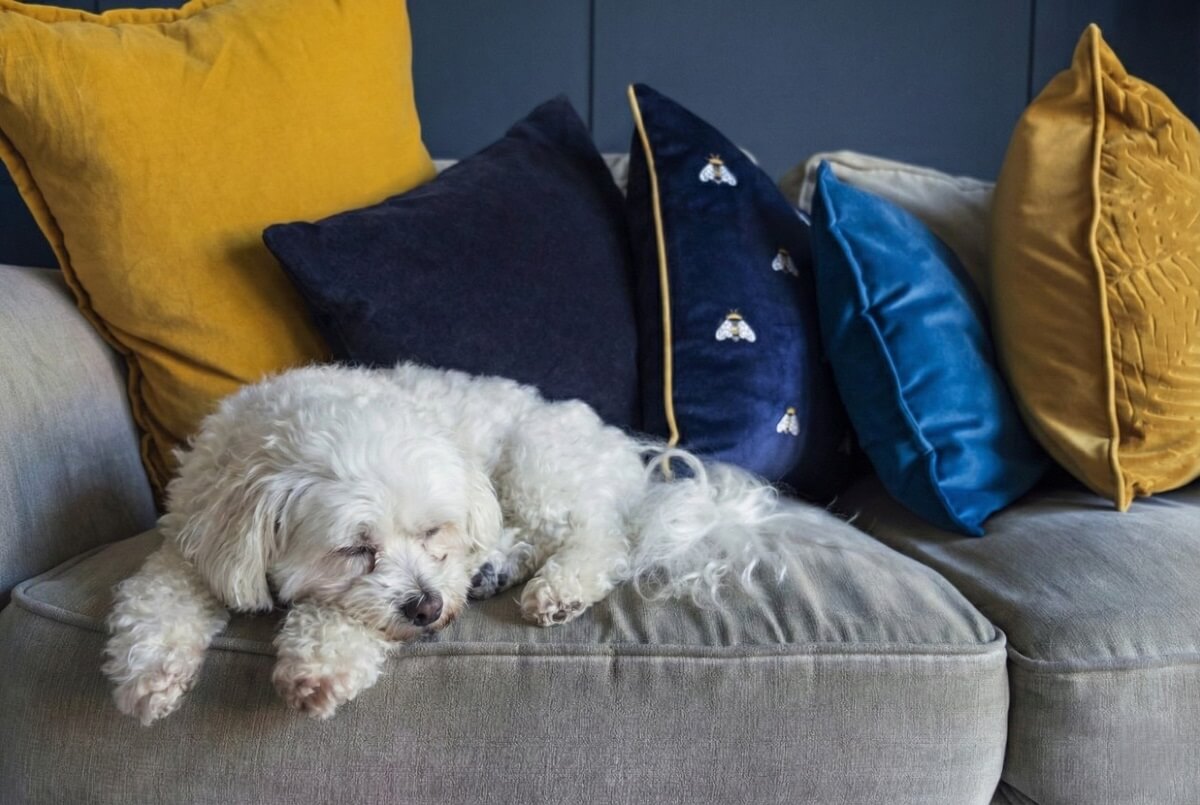
Quick Facts: Shih-Poo at a Glance
Before diving into the details, here’s everything you need to know about the Shih-Poo in one convenient table.
| Characteristic | Details |
|---|---|
| Other Names | Shih-Poo, Shoodle, Pooshi, Shih-Doodle |
| Height | 8-15 inches (up to 18 inches in some cases) |
| Weight | 7-20 pounds |
| Lifespan | 10-17 years |
| Coat Types | Straight, wavy, or curly |
| Common Colors | Black, white, brown, red, silver, gold, apricot |
| Temperament | Affectionate, friendly, playful, can be stubborn |
| Shedding | Low (considered hypoallergenic) |
| Exercise Needs | 20-30 minutes daily |
| Best For | Apartments, seniors, families with older children |
Understanding the Shih-Poo’s Personality and Temperament
What can you expect when you bring a Shih-Poo into your home? These small dogs pack enormous personalities into their compact frames. Most Shih-Poos inherit their parents’ primary purpose: being devoted companions who want nothing more than to be by your side.
The Affectionate Companion
Shih-Poos bond deeply with their owners and thrive on human interaction. They’re classic lap dogs who will follow you from room to room and curl up beside you at every opportunity. This devotion makes them wonderful companions for those who work from home or have flexible schedules. However, this strong attachment can also lead to separation anxiety if left alone for extended periods. If you work long hours away from home, a Shih-Poo may not be your ideal match.
Intelligence Meets Stubbornness
Thanks to their Poodle heritage, Shih-Poos are intelligent dogs capable of learning commands and tricks. However, they may also inherit the Shih Tzu’s independent streak, which can manifest as stubbornness during training sessions. This combination means your Shih-Poo will understand exactly what you’re asking—they just might decide whether they feel like complying.
Barking Tendencies
One trait many Shih-Poo owners notice is their dog’s vocal nature. These pups often bark at strangers, unusual sounds, and sometimes seemingly nothing at all. According to The Spruce Pets, Shih-Poos have a high tendency to bark. Early training to manage barking is essential, especially for apartment dwellers concerned about neighbor relations.
| Trait | Rating (1-5) | Notes |
|---|---|---|
| Affection Level | 5 | Very attached to owners |
| Friendliness | 4 | Good with proper socialization |
| Kid-Friendly | 3 | Better with older children |
| Pet-Friendly | 3 | Early socialization important |
| Trainability | 3 | Smart but can be stubborn |
| Energy Level | 3 | Moderate |
| Barking Tendency | 4 | Can be vocal |
| Intelligence | 4 | Poodle inheritance |
Coat Types and Grooming Requirements
One of the first things Shih-Poo owners notice is their dog’s unique coat, which can vary dramatically depending on which parent breed’s genes dominate. Understanding your Shih-Poo’s coat type helps you establish the right grooming routine from day one.
Three Coat Types Explained
Shih-Poos can inherit one of three distinct coat types, each with its own grooming needs and characteristics.
| Coat Type | Appearance | Shedding | Brushing | Best For |
|---|---|---|---|---|
| Straight | Silky, Shih Tzu-like | Low-moderate | Every other day | Lower maintenance preference |
| Wavy | Soft waves, blend of both | Low | Daily | Balance of traits |
| Curly | Tight curls, Poodle-like | Very low | Daily + detangling | Allergy sufferers |
Daily Grooming Routine
Regardless of coat type, Shih-Poos require consistent grooming to prevent matting and keep their skin healthy. According to Hill’s Pet, daily brushing and monthly groomer visits are recommended. Use a slicker brush to work through the coat gently, paying special attention to areas prone to matting like behind the ears, under the legs, and around the collar area.
Shih-Poos are also prone to tear stains—those reddish-brown marks that appear under the eyes. Use a damp cotton ball to clean your dog’s face daily, wiping gently from the inner corner of the eye outward. Check ears weekly for dirt or redness, which could indicate an infection requiring veterinary attention.
Professional Grooming Schedule
Most Shih-Poos need professional grooming every 4 to 8 weeks, depending on coat type and your preferred style. Professional grooming sessions typically cost $40 to $80 and include bathing, blow-drying, haircut, nail trimming, and ear cleaning. Popular Shih-Poo haircuts include the puppy cut (uniform length all over), teddy bear cut (rounded face with shorter body), and the top knot style that showcases their Shih Tzu heritage.
Health Issues Every Shih-Poo Owner Should Know
With a lifespan of 10 to 17 years, Shih-Poos are generally healthy dogs. However, like all breeds, they can inherit health conditions from both parent breeds. Understanding these potential issues helps you provide proactive care and catch problems early.
Joint Problems
Patellar Luxation: This condition, where the kneecap slips out of place, is one of the most common health issues in Shih-Poos. Signs include intermittent lameness, skipping steps while walking, or suddenly holding up a back leg. Mild cases may be managed with weight control and joint supplements, while severe cases require surgery.
Hip Dysplasia: Though more commonly associated with larger breeds, both Shih Tzus and Poodles can carry genes for hip dysplasia. This condition occurs when the hip joint doesn’t develop properly, leading to arthritis and mobility issues over time.
Legg-Calve-Perthes Disease: This hip disorder, common in small breeds, causes the femur head to degenerate. According to A-Z Animals, surgery is typically the most effective treatment.
Eye Conditions
Shih-Poos can inherit several eye conditions from the Shih Tzu side, including cataracts, progressive retinal atrophy (PRA), retinal detachment, and eyelid abnormalities. PRA is a genetic condition that gradually leads to blindness and has no cure. Regular eye exams can help detect problems early, though some conditions progress regardless of treatment.
Dental Health
Small breeds like Shih-Poos are particularly prone to dental disease due to crowded teeth in their small mouths. According to PetMD, regular dental cleanings and daily tooth brushing can help prevent periodontal disease, tooth loss, and related health complications.
Other Conditions to Watch
Shih-Poos that inherit shorter snouts from their Shih Tzu parent may experience respiratory issues, reverse sneezing, and snoring. Extra care should be taken in hot weather to prevent overheating. Endocrine disorders including Addison’s disease, hypothyroidism, and Cushing’s disease can also affect this breed.
Health Screening Checklist:
- Ask breeders for health testing documentation on parent dogs
- Schedule an initial vet exam within the first week of bringing your puppy home
- Discuss vaccination schedules and preventive care plans
- Establish a dental care routine early
Feeding Your Shih-Poo: Diet and Nutrition
Shih-Poos have a tendency to overeat, which can quickly lead to obesity and related health problems like diabetes and worsened joint issues. Keeping your pup at a healthy weight requires careful portion control and mindful feeding habits.
Most adult Shih-Poos need less than one cup of high-quality dog food per day, split into two meals. Avoid free-feeding (leaving food out all day), as many Shih-Poos will eat far more than they need. Your veterinarian can recommend the appropriate daily portion based on your dog’s size, age, and activity level.
Treats should make up no more than 10% of your Shih-Poo’s daily calories. Given their small size, even a few extra treats add up quickly. Use small, low-calorie training treats and consider breaking larger treats into smaller pieces.
Training Your Shih-Poo: Overcoming the Stubborn Streak
While Shih-Poos inherit the Poodle’s intelligence, they may also get the Shih Tzu’s stubborn streak. This combination creates a dog who understands commands perfectly well but sometimes chooses whether to obey. Successful training requires patience, consistency, and the right approach.
Positive Reinforcement Works Best
Shih-Poos respond exceptionally well to positive reinforcement training. Use high-value treats (small, smelly, and delicious to your dog) and deliver rewards immediately—within 3 seconds of the desired behavior. According to training experts, clicker training can be particularly effective with this breed.
Never punish your Shih-Poo for mistakes. Punishment can damage your bond and make training even more difficult with a stubborn dog. If your Shih-Poo refuses a command, redirect their attention to something they know well, reward that success, then try the challenging command again.
Potty Training Tips
Potty training a Shih-Poo requires extra patience. Small bladders combined with potential stubbornness mean accidents are common during the learning phase. Stick to a consistent schedule: take your puppy outside first thing in the morning, after meals, after naps, and before bed. Reward successful outdoor elimination immediately with praise and treats.
Managing Barking
Teaching a “quiet” command early can save you significant frustration later. When your Shih-Poo barks, wait for a natural pause, say “quiet,” and immediately reward the silence. Consistency is key—everyone in the household must use the same approach.
Socialization Timeline
The critical socialization window for puppies falls between 8 and 16 weeks of age. During this time, expose your Shih-Poo to various people, animals, sounds, and environments in positive ways. Puppy socialization classes provide excellent opportunities for controlled exposure while learning basic obedience.
Exercise Needs: Keeping Your Shih-Poo Active
If you’re looking for a jogging partner, the Shih-Poo isn’t your breed. But that doesn’t mean they’re couch potatoes. These small dogs have moderate energy levels and need regular physical and mental activity to stay healthy and well-behaved.
Aim for 20 to 30 minutes of exercise daily, which can be split into two shorter sessions. A morning walk and an evening play session work well for most Shih-Poos. Indoor play counts too—games like fetch down a hallway or hide-and-seek provide both physical exercise and mental stimulation.
For more active Shih-Poos, consider dog sports like agility or obedience training. These activities channel their intelligence and energy while strengthening your bond. Even puzzle toys and treat-dispensing games satisfy their need for mental engagement.
Shih-Poo Cost: What to Expect in 2026
How much does a Shih-Poo cost? The answer depends on whether you choose a breeder or adoption, your location, and specific puppy characteristics like color and size.
Puppy Purchase Price
According to Dogster’s 2026 price guide, Shih-Poo prices vary significantly based on source.
| Source | Price Range | Notes |
|---|---|---|
| Reputable Breeder | $1,200-$4,500 | Health tested, contracts, guarantees |
| Average Breeder | $800-$2,000 | Varies by location and reputation |
| Adoption/Rescue | $50-$300 | Often includes initial vet care |
Color can affect price. Black Shih-Poos, the most common color, typically range from $2,250 to $3,000. Red Shih-Poos, being less common, often command prices between $2,000 and $4,000.
First-Year Costs
Beyond the purchase price, expect to spend $1,100 to $2,300 during your Shih-Poo’s first year for essentials like veterinary care, supplies, food, and grooming.
| Category | Low Estimate | High Estimate |
|---|---|---|
| Initial vet visits & vaccines | $200 | $400 |
| Spay/neuter | $150 | $500 |
| Supplies (crate, bed, bowls, leash) | $150 | $300 |
| Food (annual) | $300 | $500 |
| Grooming (6-8 visits) | $300 | $600 |
| Total First Year | $1,100 | $2,300 |
Ongoing Monthly Costs
Plan for ongoing monthly expenses of approximately $110 to $210, covering food ($25-$50), grooming ($40-$80), flea and tick prevention ($15-$30), and optional pet insurance ($30-$50). Over a Shih-Poo’s lifetime, total ownership costs typically range from $15,000 to $25,000, not including emergency veterinary care.
Parasite Prevention for Your Shih-Poo
Flea and tick prevention is essential for every Shih-Poo, regardless of whether they spend most of their time indoors. Even brief outdoor walks expose your dog to parasites, and their thick coats can make detecting infestations difficult until they become severe.
Why Shih-Poos Need Protection
The Shih-Poo’s dense, often curly coat creates an ideal hiding spot for fleas and ticks. By the time you notice your dog scratching excessively, a significant infestation may already be underway. Small breeds like Shih-Poos can also be more susceptible to flea allergy dermatitis, an allergic reaction to flea saliva that causes intense itching, hair loss, and skin infections.
Coat Considerations for Treatment
The Shih-Poo’s thick coat can make topical treatments challenging. You’ll need to part the fur carefully to apply spot-on treatments directly to the skin. Many Shih-Poo owners find oral preventatives more convenient, as they eliminate the application challenge entirely. Flea and tick collars designed for long-haired breeds can also provide effective protection, though regular coat checks remain important.
Seasonal Protection by Region
Your location determines your prevention schedule. In Southern states like Florida, Texas, and Louisiana, year-round protection is essential due to warm, humid conditions that support parasites throughout the year. In Northern states, peak flea and tick season typically runs from April through November, though milder winters may extend this period. Consult your veterinarian for specific recommendations based on your region.
Who Should Get a Shih-Poo (And Who Shouldn’t)
Before you fall in love with those fluffy faces, make sure a Shih-Poo is truly right for your lifestyle. This breed thrives in specific situations and may struggle in others.
Shih-Poos Are Great For:
- Apartment dwellers: Their small size and moderate exercise needs make them ideal for smaller living spaces
- Seniors and retirees: The Shih-Poo’s calm demeanor and companionship focus match well with quieter lifestyles
- People who work from home: These dogs crave human company and do best when someone is home most of the day
- Families with older children: Kids who understand gentle handling make great companions for these small dogs
- Those with mild dog allergies: Low-shedding coats reduce (but don’t eliminate) allergens
- First-time dog owners: With patience for training challenges, beginners can successfully raise a Shih-Poo
Shih-Poos May Not Be Ideal For:
- People away from home all day: Separation anxiety is common in this breed
- Those who dislike grooming: Daily brushing and regular professional grooming are non-negotiable
- Families with very young children: Toddlers may accidentally injure these small dogs
- People wanting a highly athletic dog: Shih-Poos are companions, not hiking partners
- Those on a tight budget: Grooming costs add up over this breed’s long lifespan
Questions to Ask Yourself
Before committing to a Shih-Poo, honestly answer these questions:
- Can I commit to daily grooming and regular professional appointments?
- Am I home enough to prevent separation anxiety?
- Can I handle potential stubbornness during training with patience rather than frustration?
- Am I prepared for potential health costs over a 10-17 year lifespan?
Finding a Shih-Poo: Adoption vs. Breeder
Whether you choose to adopt or purchase from a breeder, doing your research is essential for finding a healthy, well-adjusted Shih-Poo.
Adopting a Shih-Poo
Check local animal shelters and rescue organizations—you might find a Shih-Poo waiting for a new home. While most shelter Shih-Poos are adults, this has advantages: their personality is already established, they may already be trained, and adoption fees are significantly lower than breeder prices. Breed-specific rescues and doodle rescues sometimes have Shih-Poos available as well.
Choosing a Reputable Breeder
If you decide to purchase a puppy, research breeders carefully. Reputable breeders health-test their breeding dogs for conditions common to both Shih Tzus and Poodles. They should willingly share test results, allow you to meet the parent dogs, and provide a health guarantee. Be wary of breeders who always have puppies available, won’t let you visit their facility, or pressure you to buy quickly. A responsible breeder asks you questions too—they care about where their puppies go.
FAQ – Frequently Asked Questions About Shih-Poos
What is a Shih Tzu and Poodle mix called?
A Shih Tzu-Poodle mix is commonly called a Shih-Poo, though they’re also known as Shoodles, Pooshis, or Shih-Doodles. This designer hybrid combines the Shih Tzu and Toy or Miniature Poodle.
Are Shih-Poos hypoallergenic?
While no dog is 100% hypoallergenic, Shih-Poos have low-shedding coats that produce fewer allergens than many breeds. They’re often a better choice for allergy sufferers, especially those with curly coats. However, if you have allergies, spend time with a Shih-Poo before committing to ensure you don’t react.
How long do Shih-Poos live?
Shih-Poos typically live 10 to 17 years, with many reaching 14 to 15 years with proper care. Their longevity makes them a significant commitment—be prepared for over a decade of grooming, veterinary care, and companionship.
Do Shih-Poos bark a lot?
Shih-Poos can be vocal and tend to bark at strangers, unusual sounds, and sometimes for attention. Training a “quiet” command early helps manage excessive barking. If you live in an apartment with noise restrictions, factor this tendency into your decision.
Are Shih-Poos good with children?
Shih-Poos can be good with older children who understand how to handle small dogs gently. Due to their small size, they’re less suited for households with toddlers who might accidentally injure them during play. Always supervise interactions between children and dogs.
How big do Shih-Poos get?
Adult Shih-Poos typically weigh 7 to 20 pounds and stand 8 to 15 inches tall at the shoulder. Size depends on whether the Poodle parent was a Toy or Miniature variety, as well as which parent’s genes dominate.
Are Shih-Poos hard to train?
Shih-Poos are intelligent but can inherit a stubborn streak from their Shih Tzu parent. They understand commands but may choose whether to comply. Positive reinforcement training with high-value treats usually yields good results. Patience and consistency are essential.
How often do Shih-Poos need grooming?
Shih-Poos need daily brushing to prevent matting and professional grooming every 4 to 8 weeks. Their thick, fast-growing coats require consistent maintenance regardless of coat type. Budget both time and money for grooming throughout your Shih-Poo’s life.
Final Thoughts on the Shih-Poo
The Shih-Poo combines the best of two beloved breeds into one compact, affectionate companion. These dogs offer devoted companionship, adaptability to various living situations, and the bonus of low-shedding coats that work well for many allergy sufferers. Their intelligence makes them engaging pets, even if their occasional stubbornness requires patient training approaches.
Owning a Shih-Poo means committing to daily grooming, regular professional appointments, and providing the human interaction these social dogs crave. It means budgeting for ongoing care costs and being prepared for potential health issues that can affect this breed. Most importantly, it means gaining a loyal companion who will want nothing more than to be by your side for the next 10 to 17 years.
For those who can meet their needs, the Shih-Poo rewards owners with unwavering affection, playful energy, and the kind of devotion that makes the dog-human bond so special.