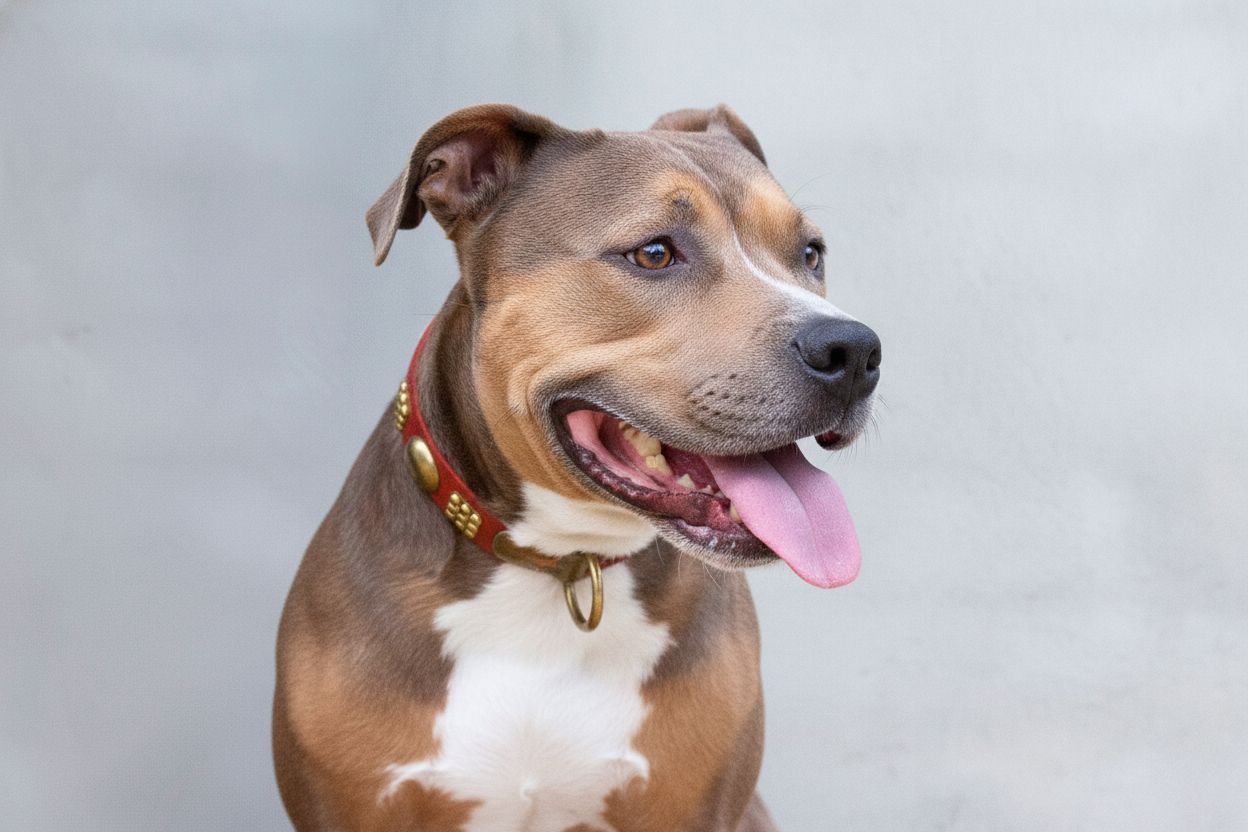
Over 4.5 million American households share their homes with a pit bull-type dog, making these muscular, loyal companions one of the most popular dog types in the country. Yet few topics in the pet world generate as much confusion and misinformation as pit bulls. Whether you’re considering adding one to your family or simply want to understand these dogs better, this guide covers everything from breed variations to health considerations—including why skin care and flea prevention deserve special attention for these athletic canines.
Quick Overview: What You Need to Know
Before diving into details, here’s a snapshot for busy readers who want the essential facts about pit bull-type dogs.
Key facts at a glance:
- 5 main breed types: American Pit Bull Terrier, American Staffordshire Terrier, Staffordshire Bull Terrier, American Bully, and American Bulldog
- Typical lifespan: 10-14 years (varies by specific breed)
- Size range: 14-28 inches tall, 24-120 pounds depending on breed
- Temperament: Loyal, confident, eager to please, athletic
- Exercise needs: 60+ minutes daily for most types
- Special consideration: Prone to skin allergies; consistent flea prevention is essential
| Breed | Size Range | Lifespan | Key Trait |
|---|---|---|---|
| American Pit Bull Terrier | 30-65 lbs | 8-15 years | Athletic, confident |
| American Staffordshire Terrier | 40-70 lbs | 12-16 years | Good-natured, courageous |
| Staffordshire Bull Terrier | 24-38 lbs | 12-14 years | Affectionate, great with children |
| American Bully | 65-85 lbs | 8-15 years | Gentle, family-oriented |
| American Bulldog | 60-120 lbs | 10-12 years | Loyal, protective |
Best for: Active individuals and families with time for daily exercise and training, experienced dog owners (or those committed to learning), people living in areas without breed-specific legislation.
May not be ideal for: First-time dog owners without a support system, those with limited time for exercise, people in breed-restricted housing or areas with BSL.
What Is a Pit Bull? Understanding the Umbrella Term
The term “pit bull” generates more confusion than almost any other in the dog world. Contrary to what many believe, pit bull is not a single breed recognized by major kennel clubs. Instead, it’s an umbrella term that encompasses several distinct breeds sharing common ancestry and physical characteristics.

The name “pit bull” traces back to 19th-century England, where these dogs’ ancestors were used in ratting pits—enclosed areas where dogs competed to catch rats. The “pit” in the name refers to these ratting pits, not to dog fighting rings as commonly assumed.
When people use the term “pit bull,” they typically mean one of these five breeds:
- American Pit Bull Terrier (APBT)
- American Staffordshire Terrier (AmStaff)
- Staffordshire Bull Terrier (Staffy)
- American Bully
- American Bulldog
This distinction matters because each breed has different size standards, temperament tendencies, and health considerations. A Staffordshire Bull Terrier at 14-16 inches tall is quite different from an American Bulldog that may reach 28 inches.
The 5 Pit Bull-Type Breeds Explained
Understanding the differences between pit bull-type breeds helps potential owners choose the right match for their lifestyle. Here’s what distinguishes each breed.
American Pit Bull Terrier (APBT)
:max_bytes(150000):strip_icc()/AmericanPitBullTerrierTaraGregg500px-45c53270504940f394d7d4eb8da2c313.jpg)
The American Pit Bull Terrier is perhaps the most recognized of the pit bull breeds. Recognized by the United Kennel Club (UKC) since 1898—making it one of UKC’s founding breeds—the APBT is not recognized by the American Kennel Club (AKC).
Physical characteristics:
- Height: 17-21 inches (males slightly larger)
- Weight: 30-65 pounds
- Coat: Short, smooth, glossy
- Colors: All colors and patterns except merle
Temperament: The UKC standard describes the APBT as having “strength, confidence, and zest for life.” These dogs are eager to please and brimming with enthusiasm. Despite their athletic build, well-socialized APBTs are often described as friendly even with strangers—making them poor guard dogs but excellent companions.
Lifespan: 8-15 years, with many living 12-14 years with proper care.
American Staffordshire Terrier (AmStaff)
:max_bytes(150000):strip_icc()/AmericanStaffordshireTerrier-GettyImages-930740994-7d8a39011d0b41958d7bb02a44e899e5.jpg)
The American Staffordshire Terrier shares ancestry with the APBT but has been bred along different lines since the 1930s. The AKC recognized the breed in 1936, though it wasn’t given its current name until 1972.
Physical characteristics:
- Height: 17-19 inches
- Weight: 40-70 pounds
- Build: Stocky, muscular, well-proportioned
- Coat: Short, stiff, glossy
Temperament: The AKC describes AmStaffs as “smart, confident, and good-natured.” Their courage is described as “proverbial,” and they’re known for being trustworthy family companions. Like APBTs, they tend to be affectionate with family members, including children.
Lifespan: 12-16 years.
Staffordshire Bull Terrier (Staffy)
:max_bytes(150000):strip_icc()/high-angle-view-portrait-of-staffordshire-bull-terrier-on-field-608923477-5c2a7d0d4cedfd0001e7689a.jpg)
The Staffordshire Bull Terrier is the smallest of the pit bull-type breeds and originated in England’s Staffordshire region. The AKC accepted the breed in 1974.
Physical characteristics:
- Height: 14-16 inches
- Weight: 24-38 pounds (males toward the higher end)
- Build: Compact, muscular, agile despite their strength
- Coat: Short, smooth
Temperament: Staffies have earned nicknames like “nanny dog” (though this term is historically inaccurate) due to their exceptional patience and gentleness with children. They’re bold and fearless but also remarkably affectionate with their families. The breed standard specifically notes their “affection for friends, and children in particular.”
Lifespan: 12-14 years.
American Bully
:max_bytes(150000):strip_icc()/AmericanBullysobakabarobaka-4ce0d4dc0e144dccadb5159b222e275e.jpg)
The American Bully is the newest pit bull-type breed, developed in the 1980s and 1990s by crossing American Pit Bull Terriers with American Bulldogs, English Bulldogs, and other breeds. The UKC recognized the breed in July 2013.
Physical characteristics:
- Height: 13-20 inches (varies by class: Pocket, Standard, XL)
- Weight: Proportional to frame; typically 65-85 pounds for Standard
- Build: Broad, compact, extremely muscular with wide chest
- Coat: Short, smooth, stiff
Temperament: Despite their imposing appearance, American Bullies were specifically bred for companionship. The UKC standard notes they are “extremely friendly with strangers, other dogs, and other animals.” Aggression is considered highly undesirable in the breed. These dogs are gentle, loyal, and excellent family companions.
Lifespan: 8-15 years.
American Bulldog
:max_bytes(150000):strip_icc()/GettyImages-152863922-0e4e823c8e6c42ec8bc96b586a2929c4.jpg)
The American Bulldog is the largest pit bull-type breed and descends from working bulldogs brought to North America by early settlers. The breed was nearly extinct after World War II but was revived through dedicated breeding programs. The AKC added American Bulldogs to its Foundation Stock Service in 2019.
Physical characteristics:
- Height: 20-28 inches (males 22-27 inches, females 20-25 inches)
- Weight: 60-120 pounds (males toward the higher end)
- Build: Athletic, powerful, well-muscled
- Coat: Short, smooth
Temperament: American Bulldogs are loyal, protective, and affectionate with their families. They’re often described as “gentle giants” and bond strongly with their people. More than other pit bull types, American Bulldogs can be protective and may require extra socialization to ensure they’re comfortable with strangers.
Lifespan: 10-12 years.
Comprehensive Breed Comparison
This detailed comparison helps you understand the differences between pit bull-type breeds at a glance.
| Characteristic | APBT | AmStaff | Staffy | American Bully | American Bulldog |
|---|---|---|---|---|---|
| Height | 17-21″ | 17-19″ | 14-16″ | 13-20″ | 20-28″ |
| Weight | 30-65 lbs | 40-70 lbs | 24-38 lbs | 65-85 lbs | 60-120 lbs |
| Lifespan | 8-15 yrs | 12-16 yrs | 12-14 yrs | 8-15 yrs | 10-12 yrs |
| AKC Status | Not recognized | Recognized | Recognized | Not recognized | FSS |
| UKC Status | Recognized | Recognized | Recognized | Recognized | Recognized |
| Best For | Active families, experienced owners | Families, various experience levels | Families with children, smaller spaces | Families seeking gentle companion | Experienced owners, those with space |
Pit Bull Temperament: Separating Fact from Fiction
Pit bull temperament generates more debate than perhaps any other topic in the dog world. What does the evidence actually show?
The American Temperament Test Society (ATTS) has tested thousands of dogs across hundreds of breeds since 1977. Their standardized test evaluates how dogs react to strangers, auditory stimuli, visual stimuli, and unusual situations. According to ATTS data:
- American Pit Bull Terrier: 84.3% pass rate (586 tested)
- American Staffordshire Terrier: 83.4% pass rate (548 tested)
- Staffordshire Bull Terrier: 90.9% pass rate (133 tested)
For comparison, the Golden Retriever—often considered the quintessential family dog—has an 85.2% pass rate. The Labrador Retriever scores 92.3%. These numbers place pit bull-type dogs firmly within the normal range of family-friendly breeds.
Common Myths Debunked
Myth: Pit bulls have “locking jaws.”
This is anatomically false. Pit bulls have the exact same jaw structure as any other dog breed. No “locking mechanism” exists in any canine species. While pit bulls can have strong bite pressure (as can many breeds), there’s nothing physically unique about their jaw anatomy.
Myth: Pit bulls are born aggressive.
Aggression is not a breed trait. Like all dogs, pit bulls learn behavior from their environment and training. The ATTS testing data demonstrates that pit bull-type dogs respond normally to their environment when properly raised. Individual dogs vary, but breed alone does not determine temperament.
Myth: You can’t trust pit bulls around children.
Well-socialized pit bulls can be excellent family dogs. The Staffordshire Bull Terrier, in particular, is specifically noted in breed standards for its affinity with children. As with any large, strong dog, supervision with young children is appropriate—this applies to Golden Retrievers, Labs, and pit bulls alike.
What is true: Pit bull-type dogs are strong, athletic, and require responsible ownership. They benefit greatly from early socialization and consistent training. Some individuals may have higher prey drive or same-sex dog aggression—traits that require management but don’t indicate human aggression.
Pit Bull Health: Common Conditions and Lifespan
Like all breeds, pit bull-type dogs are prone to certain health conditions. Understanding these helps owners provide proactive care.
Average Lifespan by Breed Type
Pit bull-type dogs generally enjoy good longevity compared to many breeds of similar size:
- American Pit Bull Terrier: 8-15 years (commonly 12-14)
- American Staffordshire Terrier: 12-16 years
- Staffordshire Bull Terrier: 12-14 years
- American Bully: 8-15 years
- American Bulldog: 10-12 years
Common Health Issues
Hip Dysplasia: A hereditary condition affecting the hip joint, common in medium-to-large breeds. Weight management and appropriate exercise help manage this condition. Reputable breeders screen for hip dysplasia.
Patellar Luxation: The kneecap slides out of place, causing discomfort. More common in Staffies and American Bullies. Maintaining healthy weight reduces strain on joints.
Thyroid Issues: Hypothyroidism occurs more frequently in pit bull-type dogs than some other breeds. Symptoms include weight gain, lethargy, and skin changes. Regular blood tests can detect thyroid problems early.
Congenital Heart Defects: Some pit bull-type dogs are born with heart abnormalities. Cardiac screening, especially for breeding dogs, helps identify issues early.
Skin Health and Allergies: A Special Concern
Pit bull-type dogs are genetically predisposed to skin allergies at higher rates than many other breeds. This connection is particularly important for flea and tick prevention.
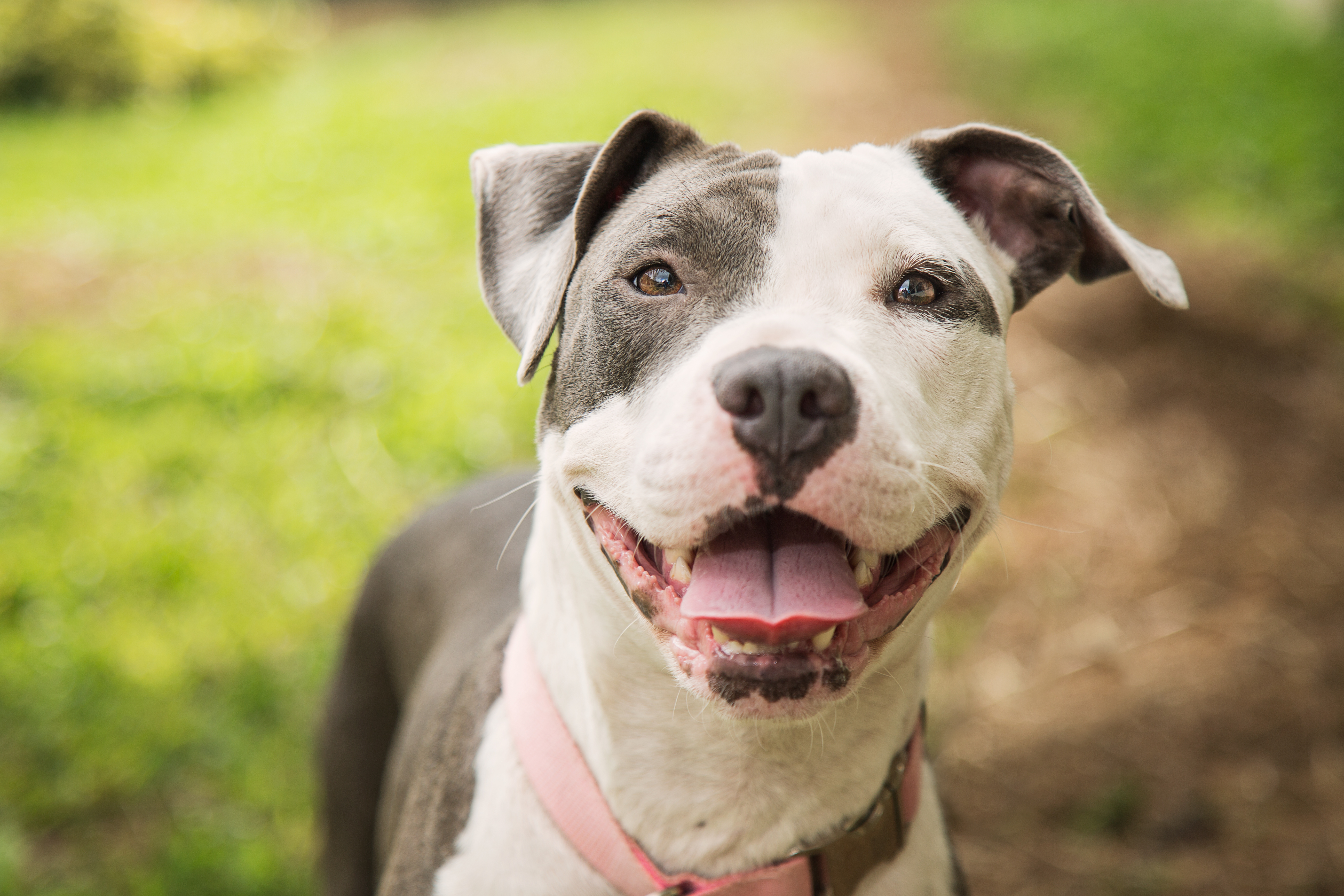
Why pit bulls are prone to skin issues:
- Research suggests many pit bulls inherit a dysfunctional skin barrier
- This compromised barrier allows allergens to penetrate and trigger reactions
- Their short coat offers less protection from environmental irritants
- Genetic predisposition to atopic dermatitis (allergic skin disease)
Flea Allergy Dermatitis (FAD): This is the most common allergy in pit bull-type dogs. Even a single flea bite can trigger intense itching, hot spots, and skin infections in sensitive dogs. For pit bulls, year-round flea prevention isn’t just recommended—it’s essential.
Signs of skin allergies to watch for:
- Excessive scratching, especially around paws, belly, and armpits
- Red, inflamed skin or hot spots
- Recurring ear infections
- Hair loss in patches
- Chronic licking of paws
Common allergens for pit bulls:
- Fleas (most common trigger)
- Environmental: pollen, dust mites, mold
- Food: chicken, beef, and dairy are frequent culprits
Prevention and management: Consistent flea and tick prevention is the first line of defense. Many veterinarians recommend year-round protection, especially in warmer climates where flea season extends throughout the year. Regular bathing with gentle, hypoallergenic shampoos can help remove allergens from the coat. For dogs with food allergies, hydrolyzed protein diets or novel protein sources may be recommended.
Caring for Your Pit Bull: Exercise, Training, and Grooming
Pit bull-type dogs thrive with active owners who provide structure, exercise, and mental stimulation.
Exercise Requirements
Most pit bull-type dogs require at least 60 minutes of physical activity daily. These athletic breeds were developed for stamina and strength, and insufficient exercise can lead to behavioral issues.
Recommended activities:
- Brisk walks or jogs (20-30 minutes twice daily minimum)
- Fetch and retrieving games
- Tug-of-war (great for building bond)
- Swimming (excellent low-impact exercise)
- Agility training
- Weight pulling (for trained dogs)
Exercise considerations by age:
- Puppies (under 1 year): Short, frequent play sessions. Avoid repetitive high-impact activities until growth plates close.
- Adults (1-7 years): Peak exercise needs. 60-90 minutes daily.
- Seniors (7+ years): Adjust intensity; maintain activity with gentler exercise.
Training Essentials
Early socialization and consistent training are crucial for pit bull-type dogs. Their intelligence and eagerness to please make them highly trainable.
Training priorities:
- Socialization: Expose puppies to various people, animals, environments, and experiences between 3-16 weeks
- Basic obedience: Sit, stay, come, down, leave it
- Leash manners: Essential given their strength
- Impulse control: Wait, settle commands
Training tips:
- Use positive reinforcement methods (treats, praise)
- Keep sessions short (10-15 minutes) but frequent
- Be consistent with rules and commands
- Consider professional training classes, especially for first-time owners
Grooming and Coat Care
Pit bull-type dogs have short, low-maintenance coats, but regular grooming supports skin health.
- Brushing: Weekly brushing removes loose hair and distributes skin oils
- Bathing: Every 4-6 weeks, or as needed. Use gentle, hypoallergenic shampoo for allergy-prone dogs
- Nails: Trim every 2-3 weeks to prevent overgrowth
- Ears: Check weekly; clean as needed to prevent infections
- Dental care: Regular brushing; dental chews and professional cleanings
Who Should Own a Pit Bull? Honest Assessment
Pit bull-type dogs make wonderful companions for the right owners, but they’re not the best match for everyone.

Ideal Pit Bull Owners
- Active individuals and families who can provide daily exercise and outdoor activities
- Those with time for training and ongoing socialization
- Experienced dog owners or those committed to learning about the breed
- People living in areas without breed restrictions
- Those who can provide structure and consistent rules
- Owners prepared for potential skin allergies and associated care
Who Should Consider Other Breeds
- First-time owners without a support system (trainer, veterinarian, experienced mentor)
- Those with limited time for daily exercise and training
- People in breed-restricted housing or areas with BSL
- Those unwilling to invest in proper socialization and training
- Households with other small pets (without careful introduction)
Before You Adopt: Key Questions
- Check local regulations: Does your city or county have breed-specific legislation?
- Verify housing: Does your lease or HOA allow pit bull-type dogs?
- Confirm insurance: Will your homeowner’s or renter’s insurance cover the breed?
- Assess your lifestyle: Can you commit to 60+ minutes of daily activity?
- Consider adoption: Many wonderful pit bulls wait in shelters for homes
Pit Bull History: From Working Dogs to Family Companions
Understanding pit bull history provides context for these dogs’ traits and reputation.
The ancestors of modern pit bull-type dogs were developed in early 19th-century England by crossing bulldogs with terriers. These “bull-and-terriers” combined bulldog strength with terrier agility. Initially used in blood sports like bull-baiting, they were later used in ratting competitions—hence the “pit” in their name.
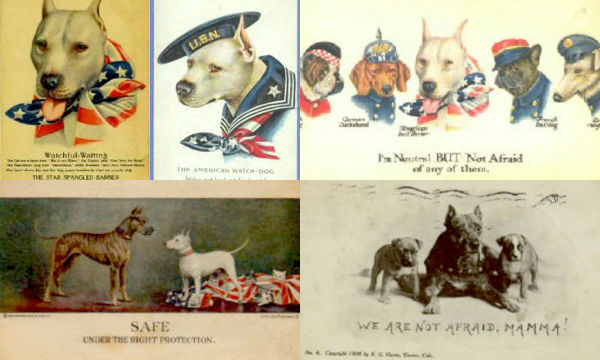
When British immigrants brought these dogs to America in the mid-1800s, their roles shifted. On American farms, pit bull-type dogs served as catch dogs for semi-wild livestock, general farm workers, and family companions. Their loyalty and intelligence made them valuable all-purpose dogs.
America’s “sweetheart” era: In the early 20th century, pit bulls enjoyed widespread popularity. Sergeant Stubby, an APBT who served in World War I, became one of the most decorated war dogs in American history. Pete the Pup charmed audiences in the Little Rascals films. Presidents Theodore Roosevelt and Woodrow Wilson kept pit bulls as pets.
The shift in perception: Beginning in the 1980s, media coverage of dog fighting and high-profile incidents changed public perception. The 2007 Michael Vick case brought renewed attention to both dog fighting cruelty and pit bull rehabilitation. Organizations like Best Friends Animal Society demonstrated that even dogs from fighting backgrounds could be rehabilitated, with 48 of 51 Vick dogs successfully placed in foster care or homes.
Today, pit bull-type dogs remain among the most popular dogs in America, though they continue to face breed restrictions in some areas.
Frequently Asked Questions About Pit Bulls
What breeds are considered pit bulls?
The term “pit bull” typically includes five breeds: American Pit Bull Terrier, American Staffordshire Terrier, Staffordshire Bull Terrier, American Bully, and American Bulldog. It’s an umbrella term, not a single breed.
Are pit bulls dangerous?
Pit bulls score well on temperament tests conducted by the American Temperament Test Society, with pass rates between 83-91%—comparable to or exceeding popular family breeds like Golden Retrievers (85.2%). Like any breed, individual behavior depends on training, socialization, and responsible ownership.
Do pit bulls have locking jaws?
No. This is a persistent myth with no anatomical basis. Pit bulls have the same jaw structure as any other dog breed. No “locking mechanism” exists in any canine species.
How long do pit bulls live?
Most pit bull-type dogs live 10-14 years, with some variation by breed. American Staffordshire Terriers often live 12-16 years, while American Bulldogs typically live 10-12 years. Good nutrition, regular exercise, and veterinary care support longevity.
Are pit bulls good with children?
Well-socialized pit bulls can be excellent family dogs. The Staffordshire Bull Terrier is specifically noted in breed standards for its affection toward children. As with any medium-to-large breed, supervise interactions with young children.
Do pit bulls shed a lot?
Pit bulls are moderate shedders with short coats. Their shedding is less noticeable than long-haired breeds, but weekly brushing helps manage loose hair and keeps their coat healthy.
What health problems do pit bulls have?
Common issues include hip dysplasia, skin allergies (especially flea allergy dermatitis), patellar luxation, thyroid issues, and occasional heart conditions. Their predisposition to skin allergies makes consistent particularly important.
Are pit bulls banned in some areas?
Yes. Some cities, counties, and countries have breed-specific legislation (BSL) restricting or banning pit bull-type dogs. Always check local regulations before adopting. Many areas have repealed BSL in recent years, but restrictions remain in some locations.
The Bottom Line on Pit Bull-Type Dogs
Pit bulls are not a single breed but an umbrella term covering five distinct breed types, each with unique characteristics. From the compact Staffordshire Bull Terrier to the powerful American Bulldog, these dogs share common ancestry but differ significantly in size, temperament emphasis, and care needs.
The evidence shows pit bull-type dogs score well on standardized temperament tests and can be loyal, affectionate family companions. Like any breed, they require responsible ownership: proper socialization, consistent training, adequate exercise, and appropriate veterinary care.
For potential pit bull owners, understanding breed-specific health considerations—particularly the predisposition to skin allergies and flea sensitivity—helps ensure years of healthy companionship. With the right match between dog and owner, pit bull-type dogs offer the devoted, enthusiastic companionship that has made them beloved family members in millions of American homes.
Whether you’re drawn to the athletic APBT, the family-friendly AmStaff, the compact Staffy, the gentle American Bully, or the protective American Bulldog, success comes down to education, preparation, and commitment to responsible ownership.