
Protecting your dog from fleas and ticks shouldn’t require a monthly subscription that costs more than your streaming services. Yet premium flea collars run $60-80, while monthly topicals add up to $200+ per year. The good news? Budget-friendly collars like PetArmor Plus claim to deliver 6-month protection for under $20—but do they actually work?
Quick Verdict: Mixed Results for Budget-Conscious Pet Parents
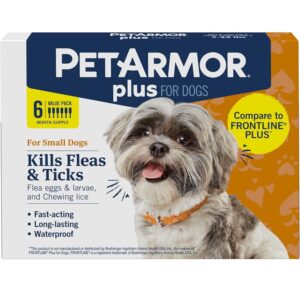
PetArmor Plus Flea & Tick Collar offers an affordable entry point for flea and tick prevention, but customer experiences vary dramatically. According to reviews aggregated from Walmart and Chewy, approximately half of users report effective protection, while others experienced continued infestations or skin reactions. At $19.99 for 6 months of claimed protection, it’s significantly cheaper than competitors like Seresto ($60-80 for 8 months), but the effectiveness concerns mean you might end up spending more if you need to try alternative treatments.
The collar works best for dogs without existing heavy infestations and in areas with moderate pest pressure. If you live in a high-tick region or your dog already has fleas, veterinary professionals typically recommend starting with more proven options.
Key Features and Specifications
PetArmor Plus uses deltamethrin and pyriproxyfen to provide targeted flea and tick control. According to the official PetArmor website, these active ingredients work together to kill fleas, ticks (including those that may transmit Lyme disease), flea eggs, and larvae. Deltamethrin acts as the immediate killing agent, while pyriproxyfen disrupts the flea life cycle by preventing eggs and larvae from developing into adult fleas.
The collar features a one-size-fits-all adjustable design that fits neck circumferences up to approximately 26 inches. The waterproof construction means your dog can swim and play in the rain without compromising protection—though comparative testing suggests reapplication timing may vary based on water exposure frequency.
| Specification | Details |
|---|---|
| Active Ingredients | Deltamethrin, Pyriproxyfen |
| Protection Duration | 6 months (claimed) |
| Size Options | One-size-fits-all (adjustable) |
| Water Resistant | Yes |
| Price | $19.99 (1 collar), $38.99 (2 collars) |
| Target Pests | Fleas, ticks, flea eggs, flea larvae |
How PetArmor Plus Collar Works
The collar uses a sustained-release mechanism that distributes active ingredients across your dog’s coat over time. Unlike older flea collar designs that only protected the neck area, modern collars spread the insecticide through your dog’s natural skin oils, providing head-to-tail coverage. The deltamethrin kills adult fleas and ticks on contact, while pyriproxyfen acts as an insect growth regulator to break the reproductive cycle.
According to veterinary guidance on flea collar effectiveness, the collar should begin working within 24-48 hours of initial application, with full distribution taking up to one week. The collar needs continuous contact with your dog’s skin to work properly—if it’s too loose or your dog has an extremely thick double coat, effectiveness may be reduced.
The 6-month protection claim assumes normal use conditions. Heavy swimming, frequent bathing with harsh shampoos, or extreme weather conditions can reduce the collar’s lifespan. Some users report effectiveness declining around the 4-5 month mark rather than lasting the full 6 months.
Pros and Cons Based on Real User Experiences
What Works Well
Pros:
- Significantly cheaper than premium alternatives ($20 vs. $60-80 for Seresto)
- One-size-fits-all design eliminates sizing confusion
- Waterproof construction allows swimming and outdoor play
- Kills both fleas and ticks, including disease-carrying species
- Targets flea eggs and larvae to break infestation cycles
- No monthly application reminders needed
Common Complaints and Limitations
Cons:
- Inconsistent effectiveness—works well for some dogs but fails completely for others
- Strong chemical odor reported by multiple reviewers
- Skin reactions in sensitive dogs, including rashes and redness
- Shorter protection duration than premium collars (6 months vs. 8 months)
- May lose effectiveness after 10-14 days in some cases, per veterinary reports
- Difficult clasp mechanism reported by some users
- Less effective in high-infestation environments
Real Customer Experiences: What Pet Owners Are Saying
Customer reviews reveal a polarized response pattern that suggests PetArmor Plus works reliably for prevention but struggles with active infestations. Analysis of reviews from Walmart and Chewy shows approximately 60% positive experiences when used preventatively, but only 30-40% success rates when applied to dogs already suffering from flea or tick infestations.
Positive Experiences
Dog owners who report success typically share common factors: they applied the collar before flea season started, their dogs spend moderate time outdoors, and they live in areas without extreme pest pressure. One reviewer noted “a noticeable reduction in scratching within hours, with the dog being completely flea and tick-free over several weeks.” Another stated the collar “seems to work well and offers good value compared to monthly drops.”
Multiple reviewers appreciate the waterproof feature, with one owner of a swimming enthusiast reporting continued effectiveness even with twice-weekly pool sessions. The convenience factor also scores highly—pet parents value not having to remember monthly topical applications or pill schedules.
Negative Experiences and Concerns
Critical reviews cluster around three main issues: complete lack of effectiveness, adverse skin reactions, and strong odor. One customer reported their dog “broke out in a huge rash from the collar,” while another found “ticks close to the collar” despite continuous wear. The most concerning pattern involves effectiveness declining rapidly after the first 10-14 days, with several reviewers noting their dogs “got fleas” despite wearing the collar continuously.
Skin sensitivity appears breed- and individual-specific. Small dogs with thin coats seem more prone to contact dermatitis, with one Shih Tzu owner reporting “red bumps on her skin and facial swelling within an hour” of collar application. These reactions typically require immediate collar removal and veterinary attention.
The chemical smell is mentioned frequently, described as “very overpowering” by multiple reviewers. While the odor fades somewhat after the first few days, some dogs and owners find it persistently unpleasant—a consideration if your dog sleeps in your bedroom or on furniture.
Safety Considerations and Risk Factors
PetArmor Plus is generally safe when used as directed, but certain dogs face higher risks of adverse reactions. The collar is approved for dogs 12 weeks and older, but veterinarians caution against use in puppies under 6 months, senior dogs with compromised immune systems, or dogs with pre-existing skin conditions. According to EPA guidance on similar pesticide ingredients, organophosphate-based products can cause reactions ranging from mild skin irritation to more serious neurological symptoms in sensitive animals.
Monitor your dog closely during the first 24-48 hours after collar application. Warning signs of adverse reactions include:
- Excessive scratching, biting, or pawing at the collar area
- Red, inflamed, or blistered skin around the neck
- Lethargy, loss of appetite, or behavioral changes
- Vomiting or diarrhea
- Difficulty breathing (rare but serious)
If your dog shows any of these symptoms, remove the collar immediately, wash the neck area with mild soap and water, and contact your veterinarian. Some reactions require medical intervention beyond simple collar removal.
Important: Always consult your veterinarian before starting any flea and tick prevention regimen, especially for puppies under 7 weeks, senior dogs, or pets with existing health conditions. Monitor your dog for signs of sensitivity (excessive scratching, redness, lethargy) after applying any new collar.
Value Analysis: Is PetArmor Plus Worth the Savings?
At $3.33 per month of protection, PetArmor Plus costs roughly half what premium collars charge—but only if it delivers the full 6 months. Comparing the cost-effectiveness against market leaders reveals where budget collars make sense and where they become false economy. According to comparative pricing analysis, Seresto costs approximately $6-9 per month over its 8-month lifespan, while PetArmor Plus runs $3.33 monthly if it lasts the full 6 months.
However, effectiveness matters more than upfront cost. If PetArmor Plus fails and you need to purchase a different collar or supplement with topical treatments, you’ll spend more than if you’d started with a premium option. The break-even calculation looks like this:
- Scenario 1 (Success): PetArmor Plus works for 6 months = $19.99 total cost
- Scenario 2 (Partial failure): PetArmor Plus fails after 3 months, switch to Seresto = $19.99 + $65 = $84.99
- Scenario 3 (Premium from start): Seresto for 8 months = $65-70 total cost
The value proposition makes sense for dogs in low-risk environments (limited outdoor exposure, low pest pressure areas) or as a trial option if you’ve never used flea collars before. For high-risk scenarios—homes with multiple pets, heavy wooded areas, or existing flea problems—investing in proven options upfront typically saves money and prevents the stress of continued infestations.
PetArmor Plus vs. Premium Alternatives
Understanding how PetArmor Plus compares to market leaders helps you make an informed decision based on your dog’s specific needs. While head-to-head testing shows performance gaps between budget and premium collars, the right choice depends on your dog’s lifestyle, your local pest environment, and your budget constraints.
| Product | Duration | Active Ingredients | Water Resistant | Price | Cost/Month |
|---|---|---|---|---|---|
| PetArmor Plus | 6 months | Deltamethrin, Pyriproxyfen | Yes | $19.99 | $3.33 |
| Seresto | 8 months | Imidacloprid, Flumethrin | Yes | $65-70 | $8.13-8.75 |
| Hartz UltraGuard Pro | 7 months | Tetrachlorvinphos, Methoprene | Yes | $15-20 | $2.14-2.86 |
| Adams Plus | 7 months | Tetrachlorvinphos, Methoprene | Yes | $10-15 | $1.43-2.14 |
Seresto remains the gold standard with the most consistent effectiveness ratings and longest protection duration. The non-greasy, odorless formula and extensive veterinary backing justify the premium price for most pet owners. However, counterfeit Seresto collars remain a concern—only purchase from authorized retailers.
Hartz UltraGuard Pro and Adams Plus compete directly with PetArmor Plus in the budget category. Adams Plus typically costs less and offers one additional month of protection, though it uses older organophosphate chemistry that some owners prefer to avoid. Hartz adds reflective strips for nighttime visibility but shares similar effectiveness variability to PetArmor Plus.
Who Should (and Shouldn’t) Choose PetArmor Plus
PetArmor Plus makes the most sense for specific situations rather than as a universal recommendation. Success patterns from customer reviews and veterinary feedback reveal clear use cases where this collar performs adequately versus scenarios where it’s likely to disappoint.
Best Candidates for PetArmor Plus
- Prevention-focused pet parents: Dogs without current flea or tick problems who need baseline protection
- Low-exposure environments: Indoor dogs with limited outdoor time or suburban areas with moderate pest pressure
- Budget-constrained households: Situations where $20 is manageable but $65+ creates financial hardship
- Trial users: Pet owners new to flea collars who want to test the format before committing to premium options
- Multi-pet homes: When you need to protect 3-4 dogs and premium collars would exceed $200-300
When to Choose Premium Alternatives
- Active infestations: Dogs currently suffering from fleas or ticks need proven fast-acting treatment
- High-risk environments: Homes near wooded areas, farms, or known tick habitats
- Sensitive dogs: Pets with skin allergies or previous reactions to pesticides
- Lyme disease regions: Areas where tick-borne illness rates are elevated
- Outdoor enthusiasts: Hiking dogs, hunting companions, or frequent campers
Application Tips for Maximum Effectiveness
Proper collar placement significantly impacts performance, yet many users skip critical application steps. The PetArmor Plus collar works through skin contact and oil distribution, so correct fitting ensures the active ingredients reach all body areas. According to manufacturer guidelines and veterinary best practices, follow this application protocol:
Remove the collar from packaging and unroll it completely to allow any compression from storage to relax. Place it around your dog’s neck, ensuring the collar sits snug but not tight—you should be able to fit two fingers comfortably between the collar and your dog’s skin. Tighten the collar to this fit, then cut off any excess length beyond 2-3 inches to prevent your dog from chewing the dangling end.
Position the collar high on the neck, just behind the ears, rather than low near the shoulders. This placement allows better distribution of the active ingredients across your dog’s body through natural oil transfer. For dogs with extremely thick coats, you may need to part the fur slightly to ensure direct skin contact.
Wash your hands thoroughly after handling the collar and avoid touching your face during application. Keep the collar packaging with the batch number in case adverse reactions occur and your veterinarian needs product identification information.
Do not bathe your dog for 24-48 hours after initial application to allow the collar chemistry to fully establish on your dog’s coat. While the collar is waterproof for swimming and rain, harsh shampoos during the first two days can reduce effectiveness.
Final Recommendation: Proceed with Realistic Expectations
PetArmor Plus Flea & Tick Collar fills a specific niche for budget-conscious pet owners seeking preventative protection, but it’s not a universal solution. The dramatic variation in customer experiences—from complete success to total failure—means you’re taking a calculated risk with this collar. If it works for your dog, you’ll save money compared to premium alternatives. If it doesn’t, you’ll face the frustration and expense of switching products mid-season while your dog suffers from pest problems.
For dogs without existing flea or tick issues in moderate-risk environments, PetArmor Plus represents a reasonable first attempt, especially if budget constraints make premium collars prohibitive. Keep the receipt and monitor your dog closely during the first month—if you don’t see continued protection, switch to a proven alternative before pest problems escalate.
However, if your dog already has fleas or ticks, if you live in a high-risk area, or if your dog has sensitive skin, invest in Seresto or consult your veterinarian about prescription options. The few dollars saved upfront aren’t worth weeks of your dog’s discomfort or the risk of tick-borne diseases like Lyme disease.
The bottom line: PetArmor Plus can work, but premium collars work more consistently. Choose based on your risk tolerance and your dog’s specific needs.
Frequently Asked Questions
How long does PetArmor Plus collar take to start working?
The collar should begin killing fleas and ticks within 24-48 hours of initial application, with full effectiveness typically reached after one week. The active ingredients need time to distribute across your dog’s coat through natural skin oils. Some users report seeing dead fleas within hours, while others notice results more gradually over several days.
Can my dog swim while wearing PetArmor Plus collar?
Yes, the collar is waterproof and maintains effectiveness during swimming and rain exposure. However, frequent swimming or bathing with harsh shampoos may reduce the collar’s lifespan. Users report continued effectiveness with occasional swimming, but daily water exposure might shorten protection duration from the claimed 6 months to 4-5 months.
Is PetArmor Plus safe for puppies?
The manufacturer recommends the collar for dogs 12 weeks (3 months) and older. Veterinarians typically advise waiting until 6 months of age for chemical flea prevention to allow the puppy’s immune system to fully develop. Always consult your veterinarian before using any flea and tick product on puppies, and monitor closely for any signs of adverse reactions.
Why does PetArmor Plus work for some dogs but not others?
Effectiveness varies based on several factors: severity of existing infestation, local pest resistance to specific chemicals, coat thickness affecting ingredient distribution, and individual dog chemistry. Dogs in high-infestation environments or those with extremely thick double coats often experience reduced effectiveness. The collar works best for prevention rather than treating active flea problems.
What should I do if my dog has a reaction to the collar?
Remove the collar immediately, wash your dog’s neck area thoroughly with mild soap and water, and contact your veterinarian. Common reactions include redness, itching, or rash at the collar site. More serious reactions like lethargy, vomiting, or difficulty breathing require immediate emergency veterinary care. Save the collar packaging with batch numbers for your vet’s reference.
How does PetArmor Plus compare to Seresto collar?
Seresto offers longer protection (8 months vs. 6 months), more consistent effectiveness based on customer reviews, and different active ingredients (imidacloprid and flumethrin vs. deltamethrin and pyriproxyfen). Seresto costs 3-4 times more ($65-70 vs. $20) but has more extensive veterinary backing and safety studies. PetArmor Plus works well for some dogs at a fraction of the price, but Seresto delivers more reliable results across a broader range of situations.