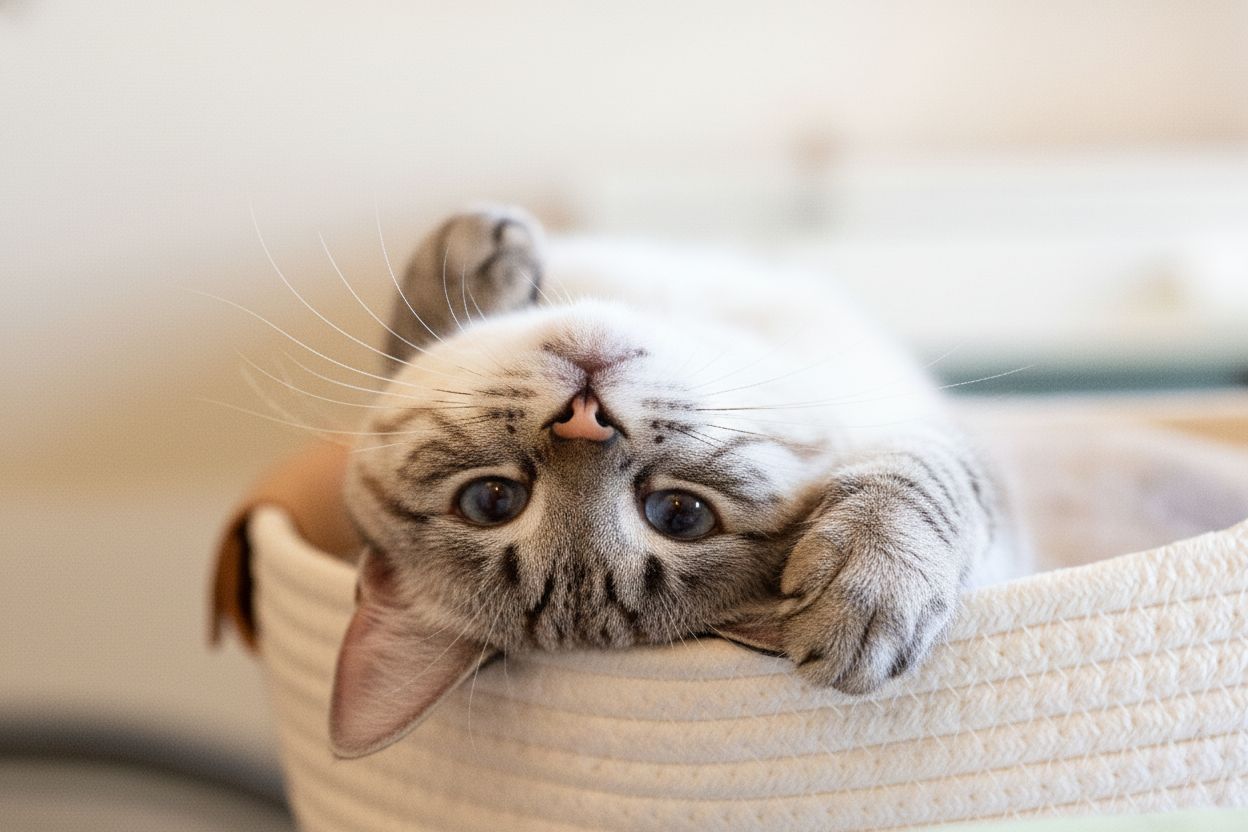
Those striking tabby stripes layered over the classic Siamese color points create one of the most visually captivating cats you’ll encounter. Lynx point Siamese cats combine the elegant pointed pattern of traditional Siamese with beautiful tabby markings, resulting in a cat that looks both wild and refined.
Whether you’re considering adding a lynx point Siamese to your family or simply curious about these distinctive felines, this guide covers everything from their unique coat variations to their health needs and personality traits.
Quick Facts About Lynx Point Siamese
Before diving deep into the details, here are the essential facts about lynx point Siamese cats that every potential owner should know.
| Characteristic | Details |
|---|---|
| Breed Type | Color pattern variant (not a separate breed) |
| Recognition | TICA: Siamese | CFA: Colorpoint Shorthair |
| Weight | 6-14 pounds |
| Length | Up to 14 inches |
| Lifespan | 12-20 years |
| Coat | Short, fine, glossy |
| Eye Color | Vivid blue |
| Temperament | Affectionate, vocal, intelligent, playful |
| Care Level | Low to moderate |
| Hypoallergenic | No |
What Makes a Lynx Point Siamese Unique
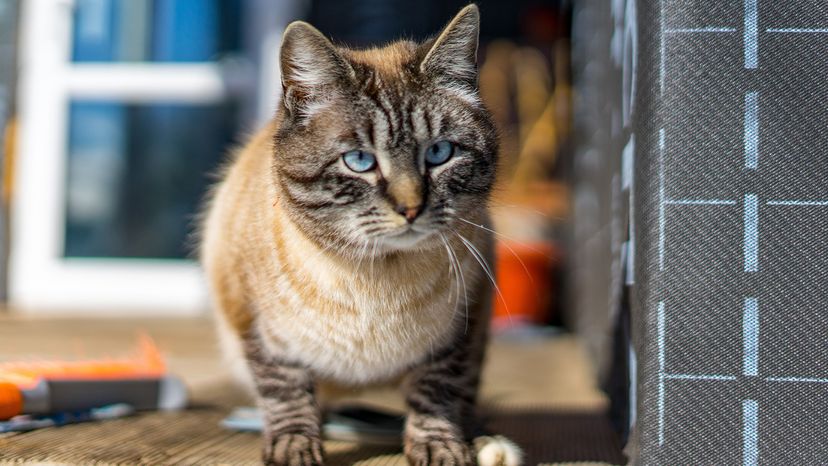
A lynx point Siamese isn’t a separate breed—it’s a specific coat pattern found in Siamese cats. The pattern combines the traditional Siamese pointed coloration with tabby (also called “lynx”) markings within those points. You’ll see distinct stripes on the face, legs, and tail rather than the solid color points found on traditional seal, blue, chocolate, or lilac point Siamese.
This pattern emerged in the United States during the 1940s and 1950s when breeders crossed Siamese cats with red tabby American Shorthairs. The result opened up a whole new world of color possibilities for Siamese-type cats.
Registry Recognition: CFA vs TICA
Different cat registries classify lynx point cats differently, which can cause some confusion:
- The International Cat Association (TICA): Recognizes lynx points as Siamese cats, accepting all pointed patterns under the Siamese breed standard.
- Cat Fanciers’ Association (CFA): Only recognizes four traditional Siamese colors (seal, chocolate, blue, lilac). Lynx points are classified as a separate breed called Colorpoint Shorthair.
The CFA granted championship status to Colorpoint Shorthairs in 1964, with lynx point coloring specifically recognized in 1969.
How the Lynx Pattern Works
The pointed coat pattern in Siamese cats results from temperature-sensitive albinism. A mutation in the tyrosinase enzyme causes pigment to develop only on cooler parts of the body—the ears, face, paws, and tail. In lynx points, the tabby gene adds striped markings within these colored areas, creating the distinctive “wild” look.
All Lynx Point Siamese Colors Explained
Lynx point Siamese come in ten recognized color variations according to the CFA Colorpoint Shorthair breed standard. Each color features tabby bars within the points, set against a lighter body color.
| Color Name | Body Color | Point Description |
|---|---|---|
| Seal Lynx Point | Cream to fawn | Dark brown tabby bars |
| Blue Lynx Point | Bluish white to platinum grey | Deep blue-grey tabby bars |
| Chocolate Lynx Point | Ivory | Warm milk chocolate tabby bars |
| Lilac Lynx Point | Glacial white | Frosty grey with pinkish tone bars |
| Red Lynx Point | White | Pale buff cream to light pinkish bars |
| Cream Lynx Point | White to cream | Pale cream tabby bars |
| Seal-Tortie Lynx Point | Cream to fawn | Seal tabby with red/cream patches |
| Chocolate-Tortie Lynx Point | Ivory | Chocolate tabby with red/cream patches |
| Blue-Cream Lynx Point | Bluish white | Blue tabby with cream patches |
| Lilac-Cream Lynx Point | Glacial white | Lilac tabby with cream patches |
Kittens are born nearly white or very pale. The points develop gradually over the first few weeks to months of life as the cooler extremities begin to show color. Adult cats living in warmer climates often maintain lighter coats than those in cooler environments.
Lynx Point Siamese Personality and Temperament
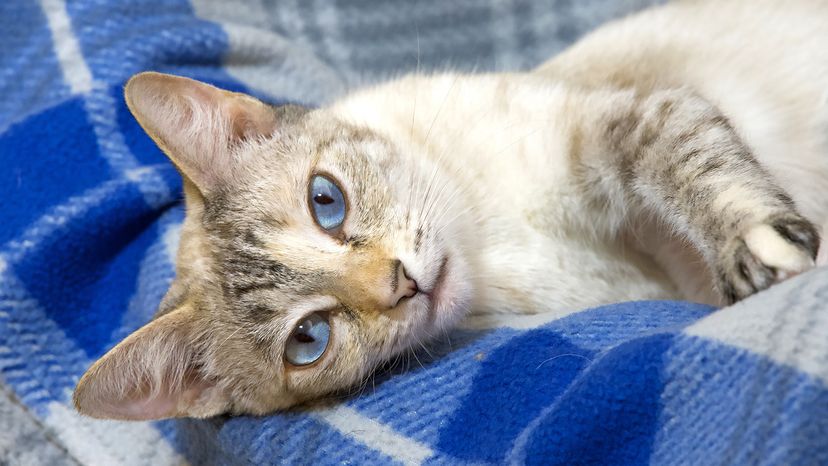
If you want a cat that acts more like a devoted companion than an independent housemate, the lynx point Siamese delivers. These cats earned the nickname “Velcro cats” for their tendency to stay close to—and often touching—their favorite humans.
Intelligence and Trainability
Lynx point Siamese rank among the most intelligent cat breeds. They can learn tricks, respond to their names, and even play fetch. Positive reinforcement training with treats works particularly well with these food-motivated cats. Many owners successfully clicker-train their lynx points to perform various behaviors.
Vocalization: Are They Really That Loud?
Siamese cats have a reputation for being extremely vocal, and lynx points are no exception—though many owners report they’re somewhat mellower than their solid-pointed relatives. While they’ll definitely “talk” to you throughout the day with meows, chirps, and distinctive yowls, lynx points are frequently described as less intense in their vocalizations compared to traditional Siamese cats.
Expect your lynx point to:
- Greet you when you come home
- Request food (loudly, if necessary)
- Comment on activities they find interesting
- Demand attention when they feel ignored
Energy and Play
These are active cats that need mental and physical stimulation. They enjoy interactive toys, climbing structures, and puzzle feeders. Without adequate enrichment, they may find their own entertainment—which might include investigating cabinets or knocking items off shelves.
Are Lynx Point Siamese Good Family Pets?
The social nature of lynx point Siamese makes them excellent candidates for households with multiple family members or other pets. Here’s how they typically interact with different household situations.
With Children
Lynx point Siamese generally do well with children who understand how to handle cats respectfully. Their playful nature makes them engaging companions for kids, and they’re patient enough to tolerate the attention. Supervise interactions with very young children, as with any pet.
With Dogs
These sociable cats often accept cat-friendly dogs as companions. Early socialization helps, but many lynx points adapt well to living with dogs even when introduced as adults. Their confident personalities mean they’re less likely to hide from dogs and more likely to establish their own boundaries.
With Other Cats
Lynx point Siamese thrive with feline companionship. In fact, if you’re away from home frequently, having a second cat can help prevent loneliness and the behavioral issues that come with it. They typically integrate well with other cats, though proper introductions remain important.
For Single Owners and Seniors
The lynx point’s need for companionship makes them ideal for people who work from home or spend significant time at home. They provide constant company and affection. However, their demanding social needs mean they’re not the best choice for someone away for long hours daily.
| Household Type | Compatibility | Notes |
|---|---|---|
| Families with children | Excellent | Patient and playful with respectful kids |
| Households with dogs | Good | Adapts well to cat-friendly dogs |
| Multi-cat homes | Excellent | Enjoys feline companionship |
| Work-from-home owners | Excellent | Ideal for their social needs |
| Frequently absent owners | Poor | May develop separation anxiety |
Caring for Your Lynx Point Siamese
The good news for potential owners: lynx point Siamese are relatively low-maintenance cats compared to long-haired breeds. Their care requirements are straightforward but consistent.
Grooming Needs
The short, close-lying coat doesn’t shed excessively and rarely tangles or mats. A weekly brushing with a rubber curry brush or grooming mitt removes loose hair and distributes skin oils. Most lynx points enjoy the attention that comes with brushing.
Regular grooming should also include:
- Weekly nail trimming
- Periodic ear checks (clean if you notice dirt)
- Dental care (brushing or dental treats)
Exercise Requirements
Plan for at least 20-30 minutes of active play daily. Lynx point Siamese need outlets for their energy and intelligence. Provide:
- Cat trees and climbing structures
- Interactive toys (feather wands, laser pointers)
- Puzzle feeders
- Multiple scratching posts (both vertical and horizontal)
Diet and Nutrition
Feed a high-quality cat food appropriate for your cat’s life stage. Lynx point Siamese have lean, athletic builds and shouldn’t carry excess weight. Measure portions and feed scheduled meals rather than free-feeding to prevent overeating. Your veterinarian can recommend specific foods and portion sizes based on your cat’s weight and activity level.
Lynx Point Siamese Health Considerations
Lynx point Siamese share the same genetic predispositions as other Siamese-type cats. Being aware of potential health issues helps you catch problems early and maintain your cat’s quality of life.
| Condition | Symptoms | Prevention/Management |
|---|---|---|
| Progressive Retinal Atrophy (PRA) | Gradual vision loss, dilated pupils, night blindness | Genetic testing of parents, regular eye exams |
| Crossed Eyes (Strabismus) | Eyes point inward | Usually harmless; no treatment needed |
| Dental Disease | Bad breath, red gums, difficulty eating | Regular brushing, dental treats, vet cleanings |
| Asthma | Coughing, wheezing, labored breathing | Reduce dust/irritants, medication as prescribed |
| Amyloidosis | Weight loss, increased thirst, lethargy | Regular vet checkups for early detection |
| Pica | Eating non-food items (wool, fabric) | Remove tempting items, provide enrichment |
Schedule annual veterinary checkups—twice yearly for cats over 10 years old. Keeping your lynx point indoors significantly reduces health risks from trauma, parasites, and infectious diseases while extending their potential lifespan.
Finding a Lynx Point Siamese: Adoption vs Breeder
You have two main options when searching for a lynx point Siamese: purchasing from a breeder or adopting from a shelter or rescue.
Purchasing from a Breeder
Expect to pay $200-$500 for a lynx point Siamese kitten from a reputable breeder. Prices vary based on:
- Breeder reputation and location
- Health testing and genetic screening
- Pedigree and show potential
- Color rarity
Champion bloodlines or show-quality cats may cost $1,000 or more. When choosing a breeder, look for one who:
- Provides health guarantees
- Allows you to visit and meet parent cats
- Asks questions about your home environment
- Belongs to breed associations
Adoption
Shelter adoption fees typically range from $75-$100 and usually include spaying/neutering, initial vaccinations, and a microchip. While lynx point Siamese aren’t common in shelters, they do appear occasionally. Check:
- Local animal shelters
- Petfinder
- Siamese cat rescue groups
Who Should (and Shouldn’t) Get a Lynx Point Siamese
Understanding whether a lynx point Siamese fits your lifestyle prevents disappointment for both you and the cat.
Best for:
- People who want an interactive, engaged companion
- Families with children or other pets
- Those who work from home or have flexible schedules
- Owners who enjoy “talking” with their cats
- Households willing to provide daily play and enrichment
Not ideal for:
- People away from home for long hours daily
- Those who prefer quiet, independent cats
- Anyone looking for a low-maintenance pet
- Households without time for interactive play
Frequently Asked Questions About Lynx Point Siamese Cats
Are lynx point Siamese cats rare?
Lynx point Siamese are less common than traditional seal or blue point Siamese but aren’t considered truly rare. They can be harder to find at shelters, so purchasing from a breeder is often necessary if you want a kitten.
How much do lynx point Siamese cats cost?
Prices range from $200-$500 for pet-quality kittens from breeders, though show-quality cats from champion lines may exceed $1,000. Shelter adoption typically costs $75-$100.
Are lynx point Siamese hypoallergenic?
No. Despite their short coats, lynx point Siamese produce the same allergenic proteins as other cats. No cat breed is truly hypoallergenic, though some individuals may trigger fewer reactions than others.
How long do lynx point Siamese cats live?
With proper care, lynx point Siamese typically live 12-20 years. Indoor cats generally live longer than those allowed outdoors. The oldest known Siamese, Scooter, was recognized by Guinness World Records.
Are lynx point Siamese cats loud?
Yes, they’re vocal cats that communicate frequently through meows, chirps, and yowls. However, many owners describe them as somewhat less intense than traditional Siamese in their vocalizations.
What is the difference between lynx point and seal point?
Seal point Siamese have solid, dark brown points without any striping. Lynx points have tabby stripes within their color points. Seal lynx points combine both—dark brown tabby bars on the points rather than solid color.
Do lynx point Siamese get along with dogs?
Generally yes, especially when properly introduced. Their confident, social personalities help them adapt well to living with cat-friendly dogs.
Are lynx point Siamese good indoor cats?
Keeping lynx point Siamese indoors is recommended for their safety and longevity. They adapt well to indoor life when provided adequate enrichment, climbing structures, and interactive play.
Final Thoughts
Lynx point Siamese cats offer the best of both worlds: the devoted, intelligent personality of the Siamese combined with the striking tabby pattern that makes each cat visually unique. They’re not the right choice for every household—their social demands and vocal nature require owners who appreciate an interactive companion rather than a quiet background pet.
For those willing to provide the attention, play, and companionship these cats crave, a lynx point Siamese rewards you with years of affection, entertainment, and genuine feline friendship. Take time to research breeders or check local rescues, and you may find your perfect striped companion waiting.