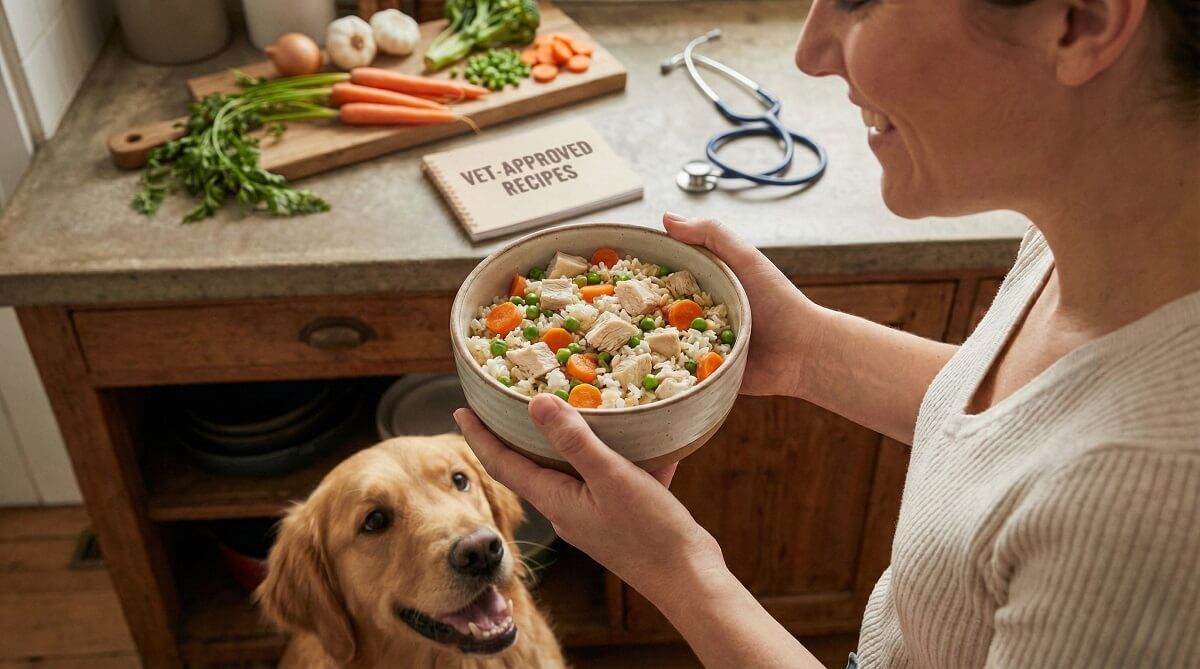
More pet owners are turning to homemade dog food recipes to take control of what goes into their dog’s bowl. Whether you’re concerned about commercial food recalls, want to address allergies, or simply prefer knowing every ingredient your dog eats, making dog food at home can be a rewarding choice. This comprehensive guide covers everything you need to know about preparing nutritionally balanced homemade meals for your canine companion.
Before switching to homemade dog food, consult with your veterinarian or a board-certified veterinary nutritionist. Dogs have specific nutritional requirements that differ from humans, and getting the balance right is essential for your dog’s long-term health.
Why Make Homemade Dog Food?
Homemade dog food offers several advantages over commercial options. You have complete control over ingredients, allowing you to avoid preservatives, artificial colors, and questionable additives found in some commercial foods. For dogs with allergies or sensitivities, homemade food lets you eliminate specific triggers while still providing balanced nutrition.
Many pet owners started making homemade food after their dogs experienced digestive issues with commercial options. Fresh ingredients like lean proteins, vegetables, and whole grains provide nutrients in their natural form. However, homemade food requires careful planning to ensure your dog receives all essential nutrients.
Cost considerations vary depending on ingredients and your dog’s size. While premium homemade ingredients may cost more than budget kibble, they can be comparable to or less expensive than high-quality commercial dog foods. Batch cooking and strategic ingredient shopping help manage costs effectively.
Essential Nutritional Requirements for Dogs
Understanding your dog’s nutritional needs is the foundation of successful homemade feeding. According to the American Kennel Club and AAFCO (Association of American Feed Control Officials) guidelines, dogs require specific nutrients in proper proportions.
| Nutrient | Minimum Requirement | Primary Sources |
|---|---|---|
| Protein | At least 10% of diet | Chicken, turkey, beef, fish, eggs |
| Fat | 5-8% of diet | Meat, fish oil, olive oil |
| Carbohydrates | Up to 50% of diet | Rice, oatmeal, sweet potato |
| Fiber | 2.5-4.5% of diet | Vegetables, whole grains |
| Calcium | 800-1000mg per lb of food | Bone meal, eggshell powder |
One critical factor often overlooked is the calcium to phosphorus ratio. AAFCO guidelines recommend maintaining a ratio between 1:1 and 2:1, with an optimal range of 1.2:1 to 1.3:1. Since meat is naturally high in phosphorus and low in calcium, supplementation is typically necessary for homemade diets.
Safe Ingredients for Homemade Dog Food
Building your homemade dog food starts with selecting safe, nutritious ingredients. The following tables outline dog-safe options across major food categories.
Safe Proteins
| Protein | Preparation Notes | Benefits |
|---|---|---|
| Chicken | Boneless, skinless, cooked thoroughly | Lean, digestible, affordable |
| Ground Turkey | Cook until no pink remains | Low fat, easy to mix with other ingredients |
| Lean Beef | Drain excess fat after cooking | Iron-rich, highly palatable |
| Salmon | Cooked, bones removed | Omega-3 fatty acids for coat health |
| Eggs | Cooked (scrambled or hard-boiled) | Complete protein, biotin for skin |
Safe Vegetables
| Vegetable | Preparation | Nutritional Benefits |
|---|---|---|
| Carrots | Raw, steamed, or cooked; shredded or diced | Beta-carotene, fiber, low calorie |
| Green Beans | Steamed or cooked, no seasoning | Fiber, vitamins, low calorie |
| Peas | Fresh, frozen, or canned (no salt) | Protein, vitamins A, B, K |
| Spinach | Chopped, lightly cooked | Iron, antioxidants, vitamins |
| Sweet Potato | Cooked, mashed or cubed | Fiber, beta-carotene, vitamin C |
| Zucchini | Shredded or diced, raw or cooked | Low calorie, vitamins, hydration |
| Broccoli | Steamed, in small amounts | Fiber, vitamin C (limit to 10% of diet) |
Safe Fruits
| Fruit | Preparation | Notes |
|---|---|---|
| Apples | Remove seeds and core | Fiber, vitamins A and C |
| Blueberries | Fresh or frozen, whole | Antioxidants, low calorie |
| Watermelon | Remove rind and seeds | Hydrating, vitamins A, B6, C |
| Bananas | Peeled, sliced | Potassium, fiber (feed in moderation) |
| Cantaloupe | Remove rind and seeds | Beta-carotene, low calorie |
Safe Grains and Carbohydrates
| Grain | Preparation | Benefits |
|---|---|---|
| Brown Rice | Cook according to package directions | Fiber, easily digestible |
| White Rice | Cooked, plain | Gentle on stomach, good for upset GI |
| Oatmeal | Cooked, plain (no sugar) | Soluble fiber, skin health |
| Quinoa | Rinsed and cooked | Complete protein, grain-free option |
Toxic Foods Dogs Must Avoid
Certain human foods are dangerous or deadly for dogs. Never include these ingredients in homemade dog food, and keep them away from your dog at all times.
| Toxic Food | Why It’s Dangerous | Symptoms of Poisoning |
|---|---|---|
| Grapes and Raisins | Cause sudden kidney failure | Vomiting, lethargy, kidney shutdown |
| Onions | Damage red blood cells | Weakness, vomiting, breathing problems |
| Garlic | Most toxic allium; destroys red blood cells | Anemia, weakness, collapse |
| Chocolate | Contains toxic methylxanthines | Vomiting, seizures, heart problems |
| Xylitol | Causes dangerous blood sugar crash | Collapse, seizures, liver failure |
| Avocado | Contains persin toxin | Vomiting, diarrhea |
| Macadamia Nuts | Neurological toxicity | Weakness, tremors, overheating |
| Apple Seeds | Contain cyanide | Difficulty breathing, shock |
Emergency Contact: If your dog consumes any toxic food, contact ASPCA Animal Poison Control Center at (888) 426-4435 or your emergency veterinarian immediately.
Basic Homemade Dog Food Recipe: Turkey and Rice
This foundational recipe follows the balanced ratio of 50% protein, 25% vegetables, and 25% grains. It’s easy to prepare and freezer-friendly for batch cooking.
| Ingredient | Amount |
|---|---|
| Ground turkey | 3 pounds |
| Brown rice | 1.5 cups (uncooked) |
| Baby spinach, chopped | 3 cups |
| Carrots, shredded | 2 medium |
| Zucchini, shredded | 1 medium |
| Peas (frozen or canned) | 1/2 cup |
| Olive oil | 1 tablespoon |
| Water | 3 cups (for rice) |
Instructions
- Cook brown rice according to package directions. Set aside.
- Heat olive oil in a large stockpot or Dutch oven over medium heat.
- Add ground turkey and cook until browned (3-5 minutes), breaking it into small pieces as it cooks.
- Add spinach, carrots, zucchini, and peas. Stir until spinach wilts and vegetables are heated through (3-5 minutes).
- Add cooked rice and mix thoroughly.
- Remove from heat and let cool completely before serving or storing.
Yield: Approximately 8-10 cups
Prep Time: 10 minutes
Cook Time: 45 minutes
Storage: Refrigerate up to 5 days or freeze up to 3 months
Grain-Free Homemade Dog Food Recipe
For dogs with grain sensitivities or owners preferring grain-free options, this recipe substitutes sweet potato for rice. Always consult your veterinarian before switching to grain-free, as recent studies have raised questions about grain-free diets and heart health in some dogs.
| Ingredient | Amount |
|---|---|
| Ground beef (lean) | 2 pounds |
| Sweet potato | 2 large, cubed |
| Green beans | 1 cup, chopped |
| Carrots | 1 cup, diced |
| Peas | 1/2 cup |
| Fish oil | 1 tablespoon |
Instructions
- Boil or steam sweet potato cubes until tender (15-20 minutes). Drain and mash lightly.
- Brown ground beef in a large pot, draining excess fat.
- Add green beans, carrots, and peas. Cook for 5-7 minutes until tender.
- Mix in mashed sweet potato and fish oil.
- Cool completely before serving.
Yield: Approximately 8 cups
Prep Time: 15 minutes
Cook Time: 30 minutes
Chicken and Vegetable Dog Food Recipe
This budget-friendly recipe uses whole chicken, which is often less expensive than ground meats. The chicken provides protein while the vegetables add essential vitamins and fiber.
| Ingredient | Amount |
|---|---|
| Boneless chicken breast or thighs | 2 pounds |
| White or brown rice | 2 cups (uncooked) |
| Mixed vegetables (broccoli, carrots, cauliflower) | 2 cups frozen |
| Water | 6 cups |
| Dried rosemary (optional) | 1 teaspoon |
Instructions
- Place chicken, rice, and water in a large pot.
- Bring to boil, then reduce heat and simmer for 20 minutes.
- Remove chicken, shred or chop into small pieces, and return to pot.
- Add frozen vegetables and cook an additional 5 minutes.
- Add rosemary if using. Cool completely before serving.
Yield: Approximately 10 cups
Prep Time: 5 minutes
Cook Time: 25 minutes
How Much Homemade Food to Feed Your Dog
Portion sizes depend on your dog’s weight, age, activity level, and metabolism. The following guidelines provide a starting point, but monitor your dog’s weight and adjust accordingly.
| Dog Weight | Daily Amount | Per Meal (2x daily) |
|---|---|---|
| 10 lbs | 1 cup | 1/2 cup |
| 20 lbs | 1.5 cups | 3/4 cup |
| 30 lbs | 2 cups | 1 cup |
| 50 lbs | 3 cups | 1.5 cups |
| 70 lbs | 4 cups | 2 cups |
| 100+ lbs | 5-6 cups | 2.5-3 cups |
A general rule of thumb is approximately 1 cup per 20 pounds of body weight daily. Puppies, pregnant dogs, and highly active dogs may need more, while senior or less active dogs may need less. Weigh your dog regularly and adjust portions to maintain a healthy weight.
Essential Supplements for Balanced Nutrition
Homemade dog food recipes typically require supplementation to meet all nutritional requirements. Without proper supplements, homemade diets often lack adequate calcium and may be deficient in other essential nutrients.
Calcium Supplementation
Since meat is high in phosphorus and low in calcium, adding a calcium source is critical. Options include:
- Bone Meal Powder: Provides calcium and phosphorus in a 2:1 ratio. Use food-grade bone meal specifically formulated for pets.
- Eggshell Powder: One teaspoon of ground eggshell provides approximately 2,000 mg of calcium. Rinse shells, dry overnight, and grind in a coffee grinder.
- Balance IT Canine: A veterinary-formulated supplement trusted by over 20,000 veterinarians. Not optional for nutritional completeness.
Other Supplements to Consider
- Fish Oil: Provides omega-3 fatty acids for skin, coat, and joint health.
- Vitamin E: Works with fish oil to prevent oxidation.
- Multivitamin: A canine-specific multivitamin can fill nutritional gaps.
- Dairy: Small amounts of cottage cheese can provide additional protein and calcium.
Consult your veterinarian or use a tool like Balance IT to calculate precise supplement amounts for your dog’s specific needs.
Storage and Meal Prep Tips
Batch cooking homemade dog food saves time and ensures you always have meals ready. Proper storage maintains freshness and safety.
- Refrigerator: Store in airtight containers for 3-5 days.
- Freezer: Portion into individual servings and freeze for up to 2-3 months.
- Thawing: Move frozen portions to refrigerator overnight. Microwave for 15-30 seconds if needed (ensure no hot spots).
- Never refreeze: Once thawed, use within 3-5 days.
For easy meal prep, divide each batch into daily portions using freezer bags or containers. Label with the date and contents. This approach ensures consistent portions and minimizes daily preparation time.
Transitioning from Commercial to Homemade Food
Switching your dog’s diet abruptly can cause digestive upset. A gradual transition over 7-10 days allows your dog’s digestive system to adjust.
| Days | Homemade Food | Commercial Food |
|---|---|---|
| 1-2 | 25% | 75% |
| 3-4 | 50% | 50% |
| 5-6 | 75% | 25% |
| 7+ | 100% | 0% |
Watch for signs of digestive upset including vomiting, diarrhea, or decreased appetite. If these occur, slow the transition by spending more time at each stage. Some dogs may need 2-3 weeks to fully transition.
Frequently Asked Questions
Is homemade dog food healthier than commercial food?
Homemade dog food can be healthier when properly balanced with all essential nutrients. The key advantage is knowing exactly what ingredients your dog eats. However, poorly balanced homemade diets can cause nutritional deficiencies. Work with a veterinary nutritionist to ensure your recipes meet your dog’s needs.
How long does homemade dog food last?
Homemade dog food stays fresh in the refrigerator for 3-5 days and in the freezer for 2-3 months. Always store in airtight containers and discard any food that smells off or shows signs of spoilage.
Can I feed my dog only homemade food?
Yes, dogs can thrive on homemade food exclusively, but the diet must be nutritionally complete. This typically requires adding supplements, particularly calcium. Have your recipes reviewed by a veterinary nutritionist, especially for puppies, pregnant dogs, or dogs with health conditions.
What supplements do I need for homemade dog food?
At minimum, most homemade diets need calcium supplementation since meat is low in calcium. Options include bone meal, eggshell powder, or commercial supplements like Balance IT. Fish oil for omega-3s and a canine multivitamin are also commonly recommended.
Can puppies eat homemade dog food?
Puppies can eat homemade food, but their nutritional needs differ from adults. They require more protein, fat, calcium, and phosphorus for proper growth. Puppy diets should be formulated by a veterinary nutritionist, and bone meal is preferred over calcium-only supplements because puppies also need additional phosphorus.
How do I know if my homemade dog food is balanced?
Signs of a balanced diet include maintaining healthy weight, shiny coat, good energy levels, and normal stool. Have your recipes analyzed using tools like Balance IT or consult a board-certified veterinary nutritionist. Annual blood work can also identify nutritional deficiencies.
Is homemade dog food cheaper than store-bought?
Costs vary depending on ingredients and your dog’s size. Homemade food using basic proteins like chicken and turkey can be comparable to premium commercial foods. Buying in bulk, using seasonal vegetables, and batch cooking help manage costs. For large dogs, homemade food may cost more than budget kibble but less than premium brands.
Can I use raw ingredients instead of cooked?
Raw diets are controversial among veterinary professionals. Raw meat can contain harmful bacteria like Salmonella and E. coli that pose risks to both dogs and humans handling the food. If you choose raw feeding, work closely with a veterinarian and follow strict food safety protocols. The recipes in this guide use cooked ingredients for safety.
Making homemade dog food can be a fulfilling way to provide your dog with fresh, wholesome meals. By following proper nutritional guidelines, using safe ingredients, and adding appropriate supplements, you can create balanced meals your dog will love. Always consult your veterinarian before making significant dietary changes, and monitor your dog’s health and weight throughout the transition.