Choosing the right rabbit breed can make the difference between a delightful decade-long companionship and a frustrating mismatch. With 52 breeds recognized by the American Rabbit Breeders Association (ARBA) as of 2023, the variety is remarkable—from the 2.5-pound Netherland Dwarf that fits in your palm to the 20-pound Flemish Giant that rivals a medium-sized dog.
These diverse breeds weren’t created by chance. Through centuries of selective breeding from the European wild rabbit, breeders have developed rabbits with specific characteristics: some bred for their luxurious wool, others for their distinctive markings, and many simply for their companionable personalities. The most recent ARBA recognitions include the Blue Holicer in 2023, the Dwarf Papillon in 2020, and the Czech Frosty in 2022, showing that breed development continues today.
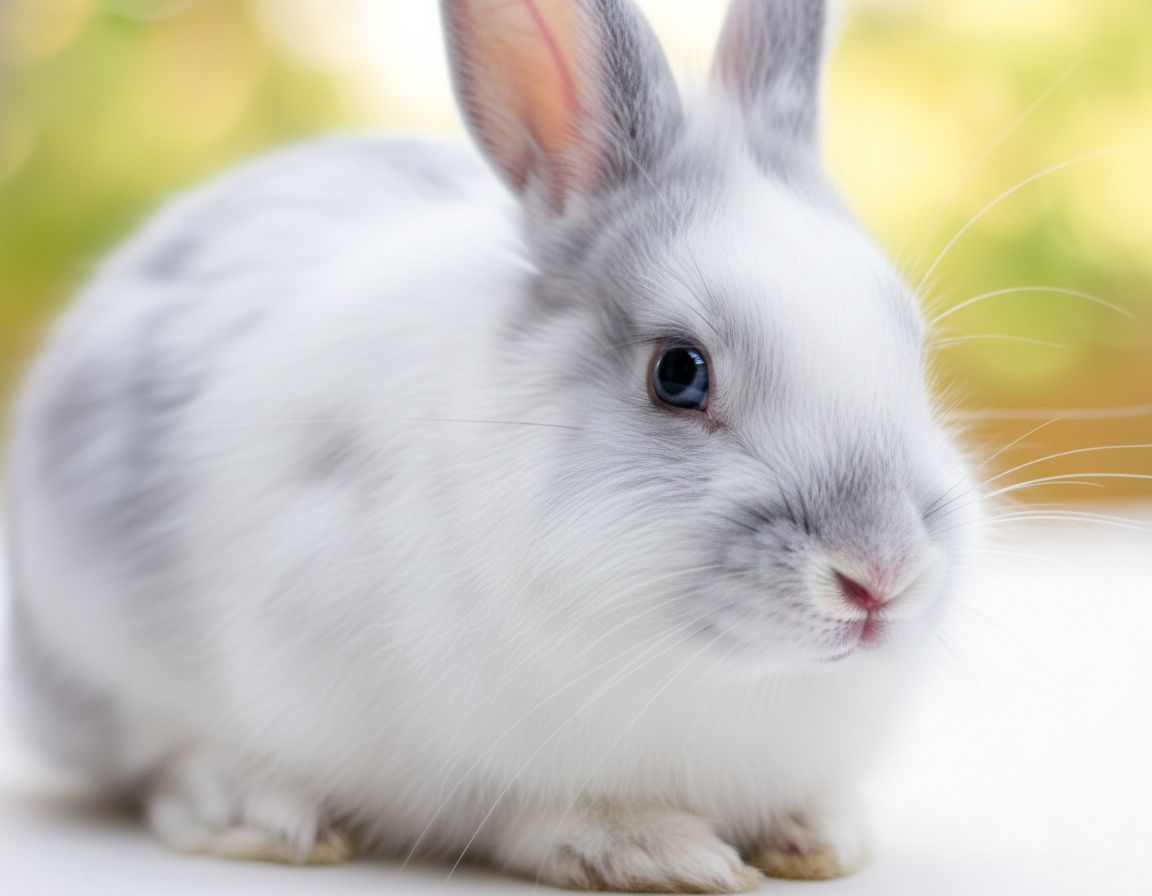
This guide will help you navigate these choices by examining breed sizes, temperaments, care requirements, and suitability for different lifestyles. Whether you live in a compact apartment or a spacious home, have children or live alone, want a cuddly companion or an independent pet, there’s a bunny rabbit breed that fits your specific situation.
Understanding Rabbit Breed Size Categories
Rabbit breeds fall into five distinct size categories, each with different space requirements, care needs, and typical temperaments. Understanding these categories provides the essential framework for choosing a breed that matches your living situation.
Dwarf Breeds (Under 3.5 lbs)
The smallest rabbits pack enormous personality into compact bodies. Weighing less than 3.5 pounds when fully grown, dwarf breeds like the Netherland Dwarf, Polish, and Britannia Petite are characterized by their rounded faces, compact bodies, and erect ears. These diminutive rabbits are ideal for apartment living, requiring minimal space compared to larger breeds.
:max_bytes(150000):strip_icc()/GettyImages-1219878131-a38f1b21b05b463e99970f678ea6261a.jpg)
However, their small size means they’re more delicate and can be easily injured during handling. They’re best suited for older children and adults who can handle them gently. Many dwarf breeds tend toward higher energy levels and can be more skittish than their larger cousins.
Small Breeds (3.5-6 lbs)
This is the most popular category among pet owners, and for good reason. Small breeds strike an ideal balance: compact enough for apartment living yet sturdy enough to withstand gentle handling. The Holland Lop, Mini Rex, and Dutch breeds dominate this category, known for their friendly temperaments and manageable care requirements.
These breeds typically require an enclosure of at least 4 feet by 4 feet and adapt well to various living situations. They’re generally more tolerant of handling than dwarf breeds while still being small enough to manage easily, making them excellent choices for families and first-time owners.
Medium Breeds (6-9 lbs)
Medium breeds like the Rex, English Spot, and Havana offer a good balance between size and personality. They require more space than smaller breeds—a minimum enclosure of 6 feet by 4 feet—but are still manageable for most households. These breeds often have wonderful temperaments and are less delicate than their smaller counterparts, making them easier to handle for children learning proper rabbit care.
Large Breeds (9-12 lbs)
Large breeds such as the American, Californian, and New Zealand were often developed for commercial purposes but have become popular pets due to their typically calm, docile temperaments. Their size means they’re harder for young children to lift, which can actually be an advantage—it discourages improper handling. These breeds need substantial space, with enclosures of at least 6 feet by 4 feet, and ideally access to larger exercise areas.
Giant Breeds (12+ lbs)
The gentle giants of the rabbit world can exceed 20 pounds, with the Flemish Giant, Continental Giant, and Checkered Giant being the most well-known examples. Despite their impressive size, these breeds are renowned for their calm, docile personalities, earning them the nickname “gentle giants.”
Giant breeds require significant space—think 8 feet by 4 feet minimum for housing—and have higher food costs and shorter lifespans (typically 4-6 years compared to 10-12 years for dwarf breeds). They’re excellent with children precisely because of their size and temperament, but potential owners must be prepared for the space and budget requirements that come with these impressive rabbits.
Size-to-Lifestyle Matching: Dwarf and small breeds work best for limited space, first-time owners, and those wanting longer-lived pets. Medium breeds suit experienced owners with moderate space. Large and giant breeds are ideal for spacious homes with outdoor access and families wanting calm, gentle companions, though they require higher budgets and have shorter lifespans.
Most Popular Bunny Rabbit Breeds in the USA
While all 52 ARBA-recognized breeds have their admirers, a handful dominate adoption centers and breeding programs across the United States. These popular breeds earned their status through combinations of appealing appearance, friendly temperament, and manageable care requirements.
Holland Lop
Weighing just 3.5 to 4 pounds, the Holland Lop consistently ranks as the most popular small rabbit breed in America. Its distinctive lopped ears frame an adorable compact body, creating an appearance that melts hearts. Beyond looks, Holland Lops are known for their calm, affectionate, and friendly nature, making them ideal for families and first-time owners.
:max_bytes(150000):strip_icc()/GettyImages-1350651044-61e4ab434928493c8b1b149bb24d23a1.jpg)
The breed was developed in the Netherlands in the 1950s by crossing the French Lop with the Netherland Dwarf. Their grooming needs are moderate—weekly brushing typically suffices, though they shed heavily twice a year and need daily brushing during these periods. Holland Lops are considered beginner-friendly due to their hardy health and tolerant personalities.
Netherland Dwarf
The Netherland Dwarf holds the distinction of being the smallest rabbit breed, weighing a mere 2 to 2.5 pounds when fully grown. With round faces, short upright ears, and compact bodies, these rabbits look perpetually young. Developed in the Netherlands in the early 1900s, the breed gained ARBA recognition in 1969 and has been popular ever since.
These tiny rabbits are energetic and playful but can be shy or even skittish, especially if not handled regularly from a young age. Their small size makes them delicate—they’re not recommended for families with young children who might handle them roughly. However, for patient owners in apartments or small spaces, Netherland Dwarfs make charming, long-lived companions, often reaching 10-12 years with proper care.
Mini Rex
The Mini Rex is beloved for its uniquely plush coat that has a velvety, mink-like texture unlike any other breed. Weighing 3.5 to 4.5 pounds, this breed was developed in the 1980s by crossing the standard Rex with smaller breeds to create a compact version with the same luxurious coat.
:max_bytes(150000):strip_icc()/GettyImages-128109277-00f2409086a540ae90708ab6e6a6ed49.jpg)
Mini Rex rabbits are known for their friendly, calm temperament and are consistently rated as excellent beginner rabbits. Their coat requires minimal grooming—the dense, short fur doesn’t mat like longer coats. They’re also hardy and generally healthy, making them one of the most low-maintenance breeds available. Their combination of stunning appearance, friendly personality, and easy care makes them a top choice for families and first-time rabbit owners.
Dutch Rabbit
Recognizable by its distinctive color pattern—a colored body with white blaze on the face, white neck collar, and white feet—the Dutch rabbit weighs 4 to 5.5 pounds. Despite its name, the breed was actually developed in England in the mid-1800s and became one of the most popular breeds worldwide.
:max_bytes(150000):strip_icc()/white-rabbit-in-grass-508780398-5c0bf3a9c9e77c0001c8d6d3.jpg)
Dutch rabbits are prized for their easy-going, social nature and are particularly good with children. They’re hardy, relatively low-maintenance, and enjoy interaction with their human families. Their friendly disposition and moderate size make them excellent starter rabbits, and they adapt well to both apartment and house living.
Flemish Giant
On the opposite end of the size spectrum, the Flemish Giant is the largest commonly kept rabbit breed, typically weighing 15 to 22 pounds, though exceptional individuals can exceed 25 pounds. This ancient breed was developed in Belgium as early as the 16th century and gained ARBA recognition in 1916.
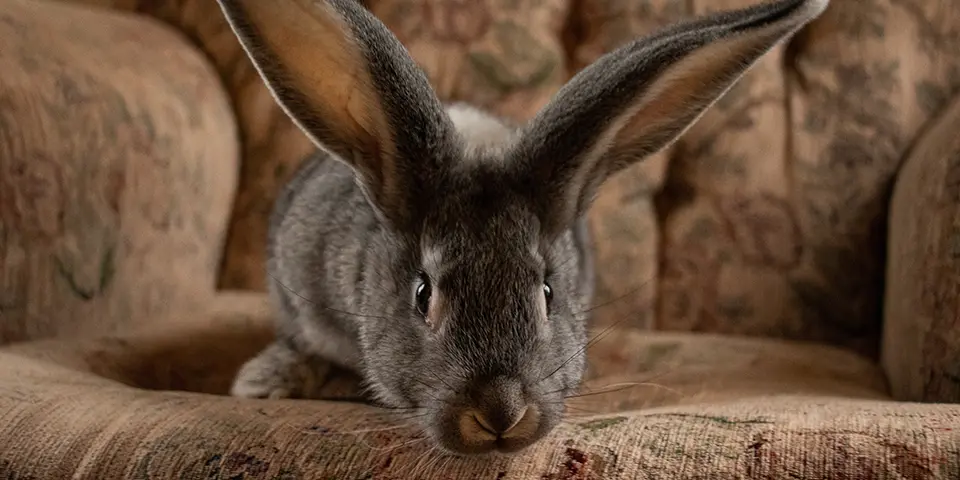
Despite their massive size, Flemish Giants are famous for their gentle, docile temperament, earning the nickname “gentle giants.” They’re patient with children and rarely aggressive, making them surprisingly good family pets. However, potential owners must be prepared for substantial space requirements—these rabbits need room to stretch and move. Food costs are significantly higher than for smaller breeds, and their lifespan is shorter, typically 5-7 years. Their calm nature and imposing presence make them unique companions for those who can accommodate their needs.
Lionhead
One of the newer breeds to gain ARBA recognition (2014), the Lionhead weighs 2.5 to 3.75 pounds and is instantly recognizable by the distinctive mane of wool around its head, reminiscent of a lion. This breed originated in Belgium in the 1990s through breeding that introduced the mane gene.
Lionheads are playful and friendly, with outgoing personalities that endear them to families. Their mane requires moderate grooming—typically brushing 2-3 times weekly to prevent matting, with more frequent attention during shedding seasons. The rest of their coat is normal length and easy to maintain. Their charming appearance and sociable nature have made them increasingly popular despite their relatively recent arrival to the ARBA registry.
Californian
Weighing 8 to 10.5 pounds, the Californian is a large breed originally developed in California in the 1920s for the meat and fur industry. Despite this commercial origin, Californians have become popular pets due to their striking appearance—pure white bodies with dark points on the ears, nose, feet, and tail, similar to a Himalayan cat.
These rabbits are calm, docile, and hardy, making them excellent pets for families. They’re generally easy to care for, with short coats requiring minimal grooming. Their robust health and tolerant personalities make them good choices for first-time owners willing to accommodate their medium-large size.
Rex
The standard Rex (as opposed to the Mini Rex) weighs 7.5 to 10.5 pounds and features the same luxurious, velvety coat as its smaller counterpart. The breed originated in France in 1919 from a genetic mutation that produced the distinctive plush coat texture.
Rex rabbits are known for their friendly, social personalities and are generally calm and easy to handle. Like the Mini Rex, their grooming needs are low due to the short, dense coat. They’re intelligent and can learn simple tricks and litter box training readily, making them engaging companions for owners who want interactive pets.
Best Rabbit Breeds for First-Time Owners
Not all rabbit breeds are created equal when it comes to beginner-friendliness. New owners benefit most from breeds that forgive minor care mistakes, tolerate handling, and don’t require intensive grooming or specialized care. The following breeds consistently rank as the best choices for those new to rabbit ownership.
Criteria for Beginner-Friendly Breeds
The ideal beginner rabbit breed should have low to moderate grooming needs, eliminating the daily brushing required by Angora breeds. Friendly, docile temperament is essential—nervous or skittish breeds require experienced handling that new owners haven’t yet developed. Hardy health with fewer genetic issues means less stressful veterinary emergencies for learning owners.
Readily available breeds are important because finding reputable breeders or rescue organizations is easier, and there’s more information available about care. Finally, moderate size—not so small they’re fragile, not so large they’re overwhelming—makes handling and care more manageable.
Top 5 Beginner-Friendly Breeds
1. Mini Rex: This breed tops nearly every beginner list for good reason. Their friendly, calm nature tolerates the learning curve of new owners, while their plush coat requires minimal grooming despite its luxurious appearance. They’re small enough for apartments but sturdy enough to handle gentle interaction. Mini Rex rabbits are readily available through breeders and rescues, and their generally robust health means fewer surprise veterinary visits.
2. Dutch: The classic Dutch rabbit’s social, hardy nature makes it exceptionally forgiving of beginner mistakes. These rabbits enjoy human interaction and are tolerant of handling, making them excellent for families learning rabbit care together. Their moderate size (4-5.5 lbs) is perfect for first-time handlers, and their distinctive markings make them visually appealing without requiring special care.
3. Californian: For beginners wanting a larger rabbit, the Californian is hard to beat. Their calm temperament and robust health create a low-stress introduction to rabbit ownership. Despite being developed for commercial purposes, Californians have gentle personalities and adapt well to pet life. Their short coat requires minimal grooming, and their size makes them easier to handle than giant breeds while still being substantial enough not to feel fragile.
4. Holland Lop: America’s most popular small breed earned that status partly through being beginner-friendly. Holland Lops are affectionate without being demanding and adapt well to various living situations. Their manageable size and readily available information (due to popularity) help new owners feel supported. While they require moderate grooming during heavy shedding seasons, their care is straightforward most of the year.
5. New Zealand: This medium-large breed (9-12 lbs) was originally developed for commercial purposes but makes an excellent beginner pet due to its gentle, calm nature. New Zealands are hardy, with robust health and strong constitutions that tolerate minor care errors. Their size actually makes them easier to handle for some beginners—they’re substantial enough that owners feel confident holding them, yet not so large as to be intimidating.
Breeds to Avoid as a Beginner
Certain breeds, while wonderful for experienced owners, present challenges for newcomers. The Netherland Dwarf, despite being popular, can be skittish and requires very gentle handling due to its tiny 2-2.5 pound size. Their nervous temperament can be discouraging for new owners.
English Lops have dramatically long ears that require special care to prevent injuries and infections—a responsibility best left to experienced keepers. All Angora breeds (English, French, Giant, Satin) demand daily grooming and regular shearing, creating a time commitment that can overwhelm first-time owners.
The Belgian Hare is a high-energy, nervous breed that startles easily and requires experienced handling. Their “wild” temperament makes them poor choices for learning owners who need forgiving, calm companions during the learning process.
Beginner Decision Framework
When choosing your first rabbit, consider these key questions: Do you live in an apartment or house? Apartment dwellers should focus on small to medium breeds (under 7 pounds). Do you have children? If yes, choose medium to large breeds with calm temperaments like Californians or Flemish Giants—their size prevents rough handling, and their personalities tolerate family activity.
How much time can you dedicate to grooming? If less than 20 minutes weekly, avoid long-haired breeds entirely and stick with Rex varieties, Dutch, or Californians. Are you home frequently for interaction? Social breeds like Holland Lops and Dutch rabbits thrive with attention, while more independent breeds suit owners with busy schedules.
Rabbit Breed Temperament and Personality Guide
While individual personality varies even within breeds, certain temperament patterns emerge consistently enough to guide your choice. Understanding these personality categories helps match a breed to your lifestyle and expectations for interaction.
Calm and Docile Breeds
These breeds are known for their laid-back, gentle nature, making them ideal for families, first-timers, and anyone wanting a relaxed companion. The Flemish Giant, despite its imposing size, tops this category with its patient, tolerant personality. Californians and Himalayans are calm and easy-going, rarely showing aggression or nervousness.
The Holland Lop combines a calm temperament with affection, enjoying cuddle time without being hyperactive. These breeds tolerate handling well, rarely struggle or bite, and adapt to various household environments without excessive stress. They’re less likely to thump (a warning behavior) or show territorial aggression, making them low-stress companions.
Active and Playful Breeds
For owners wanting an interactive, entertaining pet, active breeds provide endless amusement. The Belgian Hare is the most energetic breed, with a sleek, athletic build and boundless energy. These rabbits need substantial daily exercise and mental stimulation—they’re not for casual owners.
Tan rabbits are spirited and lively, while Dutch rabbits combine playfulness with social interaction, making them entertaining without being overwhelming. Active breeds require owners committed to providing 4-5 hours of daily exercise time and engaging toys. They’re intelligent and can learn tricks but can become destructive if bored.
Social and Affectionate Breeds
Some breeds actively seek human attention and bonding. Mini Rex rabbits are renowned for enjoying petting and will often seek out their owners for interaction. Lionheads are outgoing and sociable, thriving on attention and family activity.
The standard Rex is known for its friendly, people-oriented personality, often following owners around during playtime. These breeds suffer more from loneliness and benefit from owners who are home frequently or who can provide a bonded rabbit companion. They’re ideal for people wanting close bonds with their pets and who enjoy interactive daily care.
Independent Breeds
Not all rabbits are cuddly, and some prefer autonomy over constant attention. Britannia Petites and Polish rabbits tend toward independence, tolerating interaction but not actively seeking constant cuddles. These breeds work well for owners who want a pet to observe and care for rather than constantly handle.
Independent doesn’t mean unfriendly—these rabbits still enjoy their owners and benefit from socialization. They simply prefer interaction on their own terms and may resist excessive handling or lap time.
Breeds Requiring Patient Handling
Some breeds have nervous or shy tendencies that require experienced, patient owners. While individual Netherland Dwarfs can be friendly, the breed has a reputation for being more skittish than larger rabbits. The Belgian Hare is naturally nervous and startles easily, requiring calm, consistent handling.
These breeds need quiet environments, consistent routines, and owners who won’t be discouraged by initial shyness. They can become wonderful companions with proper socialization but aren’t ideal for chaotic households or first-time owners.
Factors Affecting Individual Temperament
Breed tendencies don’t guarantee individual personality. Socialization as a kit (baby rabbit) dramatically affects temperament—rabbits handled gently and frequently from 3-4 weeks old are typically friendlier. Handling frequency throughout life maintains social behavior; rabbits left alone for long periods often become shy or aggressive.
Environmental stress, including loud noises, frequent changes, or inadequate housing, can make even naturally calm breeds nervous. Spay/neuter status significantly impacts behavior—altered rabbits are calmer, less territorial, and more affectionate than intact rabbits, regardless of breed.
Temperament Comparison Matrix
| Breed | Energy Level (1-5) | Friendliness (1-5) | Kid-Tolerance (1-5) | Cuddliness (1-5) | Independence (1-5) |
|---|---|---|---|---|---|
| Holland Lop | 2 | 5 | 4 | 5 | 2 |
| Netherland Dwarf | 4 | 3 | 2 | 2 | 4 |
| Mini Rex | 2 | 5 | 4 | 5 | 2 |
| Dutch | 3 | 5 | 5 | 4 | 2 |
| Flemish Giant | 1 | 5 | 5 | 4 | 2 |
| Californian | 2 | 4 | 5 | 3 | 3 |
| Rex | 2 | 5 | 4 | 5 | 2 |
| Lionhead | 3 | 5 | 3 | 4 | 2 |
| Belgian Hare | 5 | 2 | 1 | 1 | 5 |
| English Lop | 2 | 4 | 3 | 4 | 3 |
| New Zealand | 2 | 4 | 5 | 3 | 3 |
| English Angora | 2 | 4 | 3 | 3 | 3 |
| Polish | 3 | 3 | 2 | 2 | 4 |
| Checkered Giant | 3 | 4 | 4 | 3 | 3 |
| Mini Lop | 2 | 5 | 4 | 5 | 2 |
Rating scale: 1 = Very Low, 2 = Low, 3 = Moderate, 4 = High, 5 = Very High
Grooming and Care Requirements by Breed
Grooming needs vary dramatically across rabbit breeds, from the weekly brushing of a Mini Rex to the daily attention required by Angoras. Understanding these requirements before choosing a breed prevents the frustration of discovering you’ve committed to more maintenance than you can provide.
Low Maintenance Breeds (Weekly Brushing)
The easiest-care rabbits have short, dense coats that naturally resist matting. Mini Rex and standard Rex rabbits, with their plush, velvety coats, require only 5-10 minutes of weekly brushing to remove loose fur. Despite their luxurious appearance, the short, dense fur doesn’t tangle.
Dutch rabbits have sleek, short coats that need minimal attention, as do Californians and New Zealands. These breeds experience two heavy shedding seasons per year (spring and fall) when daily brushing for a week or two helps manage loose fur, but otherwise, their care is minimal. The cost for these breeds is negligible—a simple slicker brush ($10-15) is the only grooming tool needed.
Moderate Maintenance Breeds (2-3x Weekly)
Holland Lops and Mini Lops, despite being lop-eared, have normal-length coats that need brushing 2-3 times weekly. The Flemish Giant, due to its massive size, has more coat area to maintain, requiring 15-20 minutes of brushing several times weekly.
During shedding seasons (typically spring and fall), moderate-maintenance breeds need daily brushing for 2-3 weeks to manage the heavy fur loss. These breeds benefit from nail trimming every 4-6 weeks and occasional ear cleaning. The time commitment is manageable for most owners—about 15-20 minutes per week normally, increasing to daily during molts. Cost remains low to moderate, with basic grooming tools sufficient.
High Maintenance Breeds (Daily Grooming)
Long-haired wool breeds demand serious time commitment. All Angora varieties (English, French, Giant, Satin) require 20-30 minutes of daily brushing to prevent painful matting. Their wool grows continuously and needs shearing every 3 months, either by the owner (requiring specialized equipment and skill) or by a professional groomer at $50-100 per session.
:max_bytes(150000):strip_icc()/GettyImages-468275076-73b210cf896648df933ae8739d1af9f7.jpg)
Lionheads need daily attention to their distinctive manes, which mat easily. Jersey Woolys and American Fuzzy Lops have long, dense wool that tangles without regular care. The cost for high-maintenance breeds is significant: professional-quality brushes and combs ($30-50), mat splitters ($15-20), and either shearing equipment ($100+) or quarterly professional grooming ($200-400 annually).
These breeds are also prone to wool block—a potentially fatal digestive blockage caused by ingesting too much fur during self-grooming. Prevention requires meticulous brushing and diet management, making them poor choices for casual owners.
Special Care Considerations
Lop-eared breeds (Holland Lop, Mini Lop, English Lop, French Lop) require weekly ear cleaning because their folded ears trap debris and moisture. Check ears for redness, discharge, or odor—signs of ear mites or infection. Gently wipe the visible parts of the inner ear with a damp cloth; never insert anything into the ear canal.
Giant breeds need more frequent nail trimming than smaller rabbits because their weight puts pressure on their nails, causing them to grow faster. Trim every 3-4 weeks rather than the typical 6-8 weeks for smaller breeds. Giants are also prone to sore hocks (ulcerative pododermatitis), requiring daily inspection of foot pads for redness or wounds. Provide soft flooring and avoid wire cage bottoms entirely.
Long-haired breeds face risks beyond matting. In summer, their heavy coats can cause overheating, requiring air-conditioned environments when temperatures exceed 75°F. They’re also at higher risk for wool block, necessitating high-fiber diets and sometimes enzyme supplements to help break down ingested fur.
General Care All Breeds Need
Regardless of breed, all rabbits require certain baseline care. Nail trimming is necessary every 4-8 weeks depending on breed size and activity level. Overgrown nails can curl into foot pads or snag and tear, causing injury.
Teeth checks are critical because rabbit teeth grow continuously. Malocclusion (misaligned teeth) can prevent proper wear, leading to overgrown teeth that cause pain and prevent eating. Monthly checks for even tooth length and annual veterinary dental exams catch problems early.
Diet is non-negotiable: unlimited grass hay (timothy, orchard grass, or meadow hay) provides essential fiber for digestive and dental health. Pellets should be limited to 1/4 cup per 5 pounds of body weight daily. Fresh vegetables (leafy greens like romaine, cilantro, parsley) provide nutrients and variety. Fruits are treats only due to high sugar content.
Exercise requirements are substantial—rabbits need minimum 3-4 hours daily outside their enclosure for running, exploring, and preventing obesity. Housing space varies by size: dwarf and small breeds need at least 4’x4′ enclosures, medium breeds 6’x4′, and large and giant breeds 8’x4′ or larger. These are minimums for when the rabbit is confined; larger is always better.
Veterinary care includes annual check-ups with a rabbit-savvy exotic veterinarian ($50-100), spay/neuter surgery ($150-400, strongly recommended for health and behavior), and emergency fund for unexpected illnesses. Gastrointestinal stasis, the most common rabbit emergency, can cost $200-500+ to treat.
Breed Comparison Table: Top 15 Bunny Rabbit Breeds
This comparison provides at-a-glance information for the most popular rabbit breeds, helping you quickly identify which breeds match your specific needs and constraints.
| Breed Name | Weight Range | Size Category | Lifespan (years) | Temperament | Grooming Needs | Beginner-Friendly? | Distinctive Feature |
|---|---|---|---|---|---|---|---|
| Netherland Dwarf | 2-2.5 lbs | Dwarf | 10-12 | Energetic, playful, shy | Low | No (delicate) | Smallest breed, round face |
| Polish | 2.5-3.5 lbs | Dwarf | 8-10 | Independent, active | Low | With experience | Compact, alert appearance |
| Holland Lop | 3-4 lbs | Small | 7-10 | Calm, affectionate, friendly | Moderate | Yes | Lopped ears, compact body |
| Mini Rex | 3.5-4.5 lbs | Small | 8-10 | Friendly, calm, social | Low | Yes (excellent) | Velvety plush coat |
| Dutch | 4-5.5 lbs | Small | 8-10 | Social, playful, gentle | Low | Yes | Distinctive color markings |
| Lionhead | 2.5-3.75 lbs | Small | 7-10 | Playful, friendly, outgoing | Moderate-High | With experience | Mane around head |
| Rex | 7.5-10.5 lbs | Medium | 8-11 | Friendly, social, intelligent | Low | Yes | Velvety coat texture |
| Mini Lop | 4.5-6.5 lbs | Small-Medium | 7-10 | Affectionate, calm, friendly | Moderate | Yes | Lopped ears, compact |
| English Spot | 5-8 lbs | Medium | 5-9 | Active, curious, energetic | Low | With experience | Distinctive spotted pattern |
| Flemish Giant | 15-22 lbs | Giant | 5-7 | Gentle, docile, patient | Moderate | Yes (if space available) | Largest common breed |
| Californian | 8-10.5 lbs | Large | 5-10 | Calm, docile, hardy | Low | Yes | White with dark points |
| New Zealand | 9-12 lbs | Large | 5-8 | Gentle, calm, tolerant | Low | Yes | Robust, commercial heritage |
| English Angora | 5-7.5 lbs | Medium | 7-12 | Calm, gentle, docile | High (daily) | No (grooming demands) | Wool covering entire body |
| English Lop | 9-11 lbs | Large | 5-7 | Gentle, laid-back, calm | Moderate-High | No (ear care) | Longest ears of any breed |
| Checkered Giant | 11-13 lbs | Giant | 5-8 | Energetic, curious, active | Low-Moderate | With experience | Distinct butterfly marking |
Rare and Specialty Rabbit Breeds
Beyond the popular breeds found in most pet stores and adoption centers, numerous rare and specialty breeds exist, each with unique characteristics and conservation needs. Some face declining populations, while others serve specialized purposes beyond pet companionship.
Rare Heritage Breeds
The American Chinchilla is listed as threatened by the Livestock Conservancy, with fewer than 1,000 breeding animals remaining in the United States. This beautiful breed, weighing 9-12 pounds, features a salt-and-pepper coloring that resembles the chinchilla rodent. Despite commercial origins in the 1920s, American Chinchillas make gentle, calm pets.
The Blanc de Hotot is a striking medium-sized breed (8-11 lbs) with pure white fur and distinctive black eye bands, creating a dramatic appearance. Developed in France in the early 1900s, this breed remains uncommon in the United States, though its friendly temperament deserves wider recognition.
Silver Fox rabbits are one of the rarest American heritage breeds, listed as critical by the Livestock Conservancy with fewer than 500 breeding animals. Weighing 10-12 pounds, these rabbits have unique fur that “stands up” when stroked backward—the only breed with this characteristic. They’re known for gentle, docile temperaments.
The Lilac breed, a dove-gray medium rabbit (5.5-8 lbs), originated in England and remains uncommon worldwide. Their calm, docile nature makes them excellent pets, but limited breeding programs mean finding one requires patience and networking with specialty breeders.
Why Breeds Become Rare
Commercial viability drives many breeds toward extinction. Breeds like the American Chinchilla, originally developed for fur and meat production, declined when commercial operations shifted to faster-growing, more efficient breeds. Without commercial demand, breeding programs dwindled.
Popularity trends affect pet breeds too. As certain breeds gain favor (like Lionheads or Holland Lops), breeders shift focus, leaving older or less “cute” breeds with fewer breeding programs. Geographic concentration means some breeds thrive in their origin countries but remain rare elsewhere.
Conservation efforts by organizations like the Livestock Conservancy and dedicated breed clubs work to preserve genetic diversity. Purchasing rare breeds from conservation-focused breeders helps ensure these unique animals don’t disappear entirely.
Specialty Show Breeds
The Belgian Hare isn’t actually a hare but the most hare-like rabbit breed, with a long, lean body, long legs, and athletic build. Weighing 6-9.5 pounds, Belgian Hares are extremely active and nervous, making them challenging pets but impressive show animals prized for their unique appearance and movement.
The Rhinelander is one of the few tri-colored breeds, featuring a white base with both black and orange markings. This German breed, weighing 6.5-10 pounds, is extremely rare in the United States but valued in show circles for its distinctive coloring.
Britannia Petites are the smallest commercial breed (2-2.5 lbs) and are bred specifically for show purposes. Their fully arched body type—where the body forms a distinct arch from neck to tail—is unique among small breeds, creating an alert, hare-like appearance.
Wool Breeds for Fiber Production
Beyond pets and show animals, some breeds serve fiber artists who harvest their wool for spinning and crafts. The English Angora produces the most wool, requiring shearing every 3 months to harvest 8-12 ounces of premium fiber. French Angoras and Giant Angoras produce similar quantities with slightly different fiber characteristics.
The Jersey Wooly (3-3.5 lbs) and American Fuzzy Lop (3.5-4 lbs) are smaller wool breeds, producing less fiber but easier to manage in limited spaces. Their wool is prized for softness and can be sold to spinners or used for home crafts.
Wool rabbits require dedication beyond typical pet care—daily grooming, quarterly shearing, and fiber processing knowledge. However, for owners interested in sustainable fiber arts, they offer the dual reward of companionship and beautiful, renewable fleece.
Commercial Heritage Breeds
Many excellent pet breeds have commercial origins. Beyond Californian and New Zealand, breeds like Champagne D’Argent (9-12 lbs), Satin (8.5-11 lbs), and American (10-12 lbs) were developed for meat and fur but make wonderful companions.
These breeds often have exceptional temperaments precisely because calm, docile rabbits were easier to handle in commercial settings, and breeders selected for these traits. They’re typically hardy and robust, having been bred for health and vigor. Many make excellent beginner pets despite being less visually striking than fancy breeds.
Health Considerations and Lifespan by Breed
Lifespan expectations and health considerations vary significantly across rabbit breeds, with size being the primary determining factor. Understanding these patterns helps set realistic expectations and prepares owners for potential health challenges specific to their chosen breed.
Lifespan Ranges by Size
A clear pattern emerges when examining rabbit longevity: smaller rabbits live significantly longer than their giant cousins. Dwarf breeds like the Netherland Dwarf and Polish typically live 10-12 years, with some individuals reaching 13-14 years with excellent care. Their compact size places less strain on organs and joints, contributing to longer, healthier lives.
Small breeds (3.5-6 lbs), including Holland Lops, Mini Rex, and Dutch rabbits, generally live 8-12 years. These popular breeds combine reasonable longevity with manageable size, making them excellent long-term companions without the decade-plus commitment of the smallest breeds.
Medium breeds (6-9 lbs) typically live 8-10 years, while large breeds (9-12 lbs) average 5-8 years. The lifespan decrease becomes most dramatic with giant breeds—Flemish Giants, Continental Giants, and other rabbits exceeding 12 pounds typically live only 4-6 years, with exceptional individuals reaching 8 years.
Why Giant Breeds Have Shorter Lifespans
The biological challenges of massive size limit giant rabbit longevity. Their organs, particularly the heart, work harder to support large body mass, leading to earlier heart failure. Joint problems emerge sooner due to the stress of carrying substantial weight—arthritis and mobility issues often appear by age 3-4 in giant breeds.
Sore hocks (ulcerative pododermatitis) plague giant breeds because of the constant pressure on their foot pads. These painful wounds can become infected and are difficult to heal in rabbits that can’t avoid putting weight on their feet. Heat intolerance is another issue—large rabbits struggle to regulate body temperature, making them vulnerable to heat stroke above 75°F.
Common Health Issues by Breed Type
Dwarf breeds face unique challenges despite their longevity. Malocclusion (tooth misalignment) appears more frequently in dwarf breeds due to their compact skull structure. The shortened jaw can cause teeth to grow at improper angles, requiring regular veterinary filing every 4-8 weeks in affected rabbits. Their tiny size also means delicate bones that fracture more easily from falls or improper handling.
Lop-eared breeds (Holland Lop, Mini Lop, English Lop, French Lop) experience higher rates of ear infections because folded ears trap moisture and debris. Regular ear cleaning and monitoring help, but owners should expect occasional veterinary ear treatment. Lop breeds also show increased dental issues compared to upright-eared rabbits, likely due to the skull changes that create the lop ear characteristic.
Giant breeds are most prone to sore hocks, as mentioned earlier, but also face arthritis at younger ages than smaller breeds. Heart problems can manifest as exercise intolerance, rapid breathing, or sudden death. Giant rabbits also struggle with heat—air conditioning isn’t optional in warm climates; it’s essential for their survival.
Long-haired breeds (all Angoras, Jersey Wooly, American Fuzzy Lop, Lionhead) face wool block risk—a potentially fatal intestinal blockage caused by swallowing fur during grooming. Prevention requires meticulous daily brushing to minimize loose fur and high-fiber diets to help move ingested fur through the digestive tract. Long fur can also cause eye irritation, requiring trimming around the face, and creates matting that can lead to skin infections if not prevented through grooming.
Generally Hardy Breeds
Some breeds have reputations for robust health and fewer genetic issues. The Dutch rabbit is considered one of the hardiest breeds, with strong constitutions and few breed-specific health problems. Californians and New Zealands, developed for commercial production where health and vigor were essential, tend toward excellent health.
The Mini Rex, despite being a relatively modern breed, shows good health overall, though like all Rex varieties, they can occasionally have sore hocks due to their dense fur not cushioning foot pads as well as normal fur. Standard Rex rabbits are similarly hardy.
Health Issues Affecting All Breeds
Regardless of breed, all rabbits are prone to certain conditions. Gastrointestinal stasis (GI stasis) is the most common rabbit emergency, occurring when the digestive system slows or stops. Caused by stress, pain, diet changes, or insufficient fiber, GI stasis can be fatal within 24-48 hours if untreated. Symptoms include reduced or absent fecal pellets, lethargy, and hunched posture. Emergency veterinary treatment costs $200-500+.
Dental disease affects rabbits of all breeds because their teeth grow continuously throughout life. Without proper wear from hay consumption, teeth overgrow and develop painful points or spurs that prevent eating. Regular hay feeding (unlimited access) and annual veterinary dental checks prevent most problems.
Obesity occurs across all breeds when rabbits are overfed pellets and treats while lacking sufficient exercise. Overweight rabbits face increased risk of GI stasis, arthritis, sore hocks, and shorter lifespans. Proper diet (unlimited hay, limited pellets, fresh vegetables, minimal fruit) and 3-4 hours daily exercise prevent obesity.
Preventive Care for All Breeds
Spaying and neutering is strongly recommended for all rabbits, regardless of breed. Female rabbits have an 80% risk of developing uterine cancer by age 5 if not spayed, making spaying literally life-saving. Neutering males prevents testicular cancer and dramatically reduces aggressive and territorial behaviors. Altered rabbits of both sexes are calmer, more affectionate, and easier to litter train. Surgery costs $150-400 depending on location and should be performed at 4-6 months of age.
High-fiber diet is the foundation of rabbit health. Unlimited grass hay (timothy, orchard grass, meadow hay) provides essential fiber that keeps the digestive system moving and wears down teeth naturally. Pellets should be limited to 1/4 cup per 5 pounds of body weight daily—overfeeding pellets leads to obesity and reduced hay consumption.
Regular veterinary check-ups with a rabbit-savvy exotic veterinarian catch problems early. Annual exams ($50-100) include weight assessment, dental examination, and overall health screening. Finding an experienced rabbit vet before emergencies arise is critical—not all veterinarians treat rabbits, and general practice vets often lack the specialized knowledge these exotic pets require.
Proper housing prevents many injuries and health issues. Avoid wire-bottom cages entirely—they cause sore hocks in all breeds and are uncomfortable. Solid flooring with soft bedding protects feet. Adequate space (minimum 4’x4′ for small breeds, up to 8’x4′ for giants) allows exercise and prevents obesity and muscle atrophy.
Veterinary Cost Considerations
Budgeting for rabbit healthcare is essential regardless of breed. Annual check-ups cost $50-100, while spay/neuter surgery runs $150-400. Emergency visits start at $200-500+ depending on the issue and required treatment. GI stasis treatment can cost $300-800 with hospitalization and supportive care.
Dental work for malocclusion requires repeat visits every 4-8 weeks at $50-150 per filing. Over a rabbit’s lifetime, dental issues can cost thousands in affected individuals. Exotic veterinarians typically charge more than general practice vets because rabbits require specialized knowledge and equipment.
Pet insurance for rabbits is available from some companies and can offset costs, though pre-existing conditions aren’t covered. Alternatively, maintaining a dedicated emergency savings fund of $1,000-2,000 ensures you can provide necessary care without financial stress.
Frequently Asked Questions About Bunny Rabbit Breeds
How many rabbit breeds are there?
The American Rabbit Breeders Association (ARBA) currently recognizes 52 breeds in the United States as of 2023. Worldwide, there are over 300 breeds recognized by various organizations including the British Rabbit Council. The number continues to grow as new breeds are developed and gain official recognition. Recent ARBA additions include the Blue Holicer (2023), Dwarf Papillon (2020), and Czech Frosty (2022), showing that breed development remains active.
What rabbit breeds stay the smallest?
The Netherland Dwarf is the smallest breed, weighing just 2-2.5 pounds when fully grown. Other small breeds include the Polish (2.5-3.5 lbs), Britannia Petite (2-2.5 lbs), and Holland Lop (3-4 lbs). These compact breeds are ideal for apartment living and owners with limited space. However, smaller doesn’t always mean easier—dwarf breeds can be more delicate and require gentle, experienced handling. They also tend toward higher energy levels and can be more skittish than larger, calmer breeds.
Which rabbit breed is best for first-time owners?
The Mini Rex is widely considered the best starter breed due to its friendly temperament, low-maintenance coat, and hardy health. Other excellent beginner choices include the Dutch (social and hardy), Holland Lop (affectionate and widely available), and Californian (calm and robust). These breeds forgive minor care mistakes, tolerate handling, and don’t require intensive grooming. Avoid high-maintenance breeds like Angoras or nervous breeds like Belgian Hares when starting out—these require experienced handling and specialized care that can overwhelm new owners.
What is the largest rabbit breed?
The Flemish Giant is the largest commonly kept breed, typically weighing 15-22 pounds, though some individuals exceed 25 pounds. The Continental Giant can grow even larger, with the world record holder, Darius, weighing over 50 pounds. Despite their massive size, these breeds are known as “gentle giants” for their calm, docile temperaments. They make surprisingly good family pets if you have adequate space—their size actually prevents rough handling by children. However, giant breeds require significant housing space (8’x4′ minimum), have higher food costs, and live shorter lives (4-6 years) compared to smaller breeds.
Which rabbit breeds are best with children?
Medium to large breeds with calm temperaments are best with kids. Top choices include the Flemish Giant (gentle despite size—their bulk discourages rough handling), Californian (docile and tolerant), Holland Lop (friendly and sturdy enough to handle appropriately), and Dutch (social and hardy). These breeds tolerate the activity and noise of family life better than nervous breeds. Avoid very small breeds like Netherland Dwarfs for young children—they’re too delicate and can be injured easily. Also avoid high-energy or nervous breeds like Belgian Hares, which become stressed in chaotic environments.
How long do different rabbit breeds live?
Lifespan varies significantly by size. Dwarf and small breeds typically live 10-12 years, with some Netherland Dwarfs reaching 13-14 years. Medium breeds average 8-10 years, large breeds 5-8 years, and giant breeds only 4-6 years. The dramatic difference relates to the physical stress of larger size on organs and joints. With proper care—appropriate diet, regular veterinary check-ups, spay/neuter surgery, adequate exercise, and good housing—many rabbits exceed these averages. The longest-lived tend to be smaller breeds like Mini Rex, Dutch, and Holland Lops, making them better choices for owners wanting decade-long companionship.
Which breeds require the most grooming?
All Angora varieties (English, French, Giant, Satin) require the most intensive grooming—daily brushing for 20-30 minutes plus quarterly shearing to harvest their wool. Without this commitment, their long wool mats painfully and can cause serious health issues including wool block (intestinal blockage). Lionheads and Jersey Woolys also need frequent grooming for their manes and longer coats, typically daily during shedding seasons. If you want low-maintenance grooming, choose Rex varieties (Mini Rex or standard Rex), Dutch, Californian, or New Zealand breeds with shorter, easier-care coats requiring only weekly brushing except during seasonal molts.
Are lop-eared rabbits harder to care for than upright-eared breeds?
Lop-eared breeds require slightly more care due to their folded ears, which can trap debris and moisture, leading to ear infections more frequently than in upright-eared breeds. Weekly ear checks and gentle cleaning are essential—look for redness, discharge, or odor that signals ear mites or infection. Despite this extra care, lops like the Holland Lop and Mini Lop rank among the most popular breeds due to their adorable appearance and friendly personalities. The additional care is minimal—just 5 minutes weekly for ear inspection—making it worthwhile for many owners. If you choose a lop breed, simply commit to regular ear monitoring as part of your routine.
What’s the difference between American and English rabbit breeds?
The terms refer to where breeds were developed. American breeds (like the American, American Chinchilla, and American Fuzzy Lop) were created in the United States. English breeds (English Lop, English Spot, English Angora) originated in England. Other breeds carry the names of their origin countries: French Lop (France), Flemish Giant (Belgium), and Dutch (though interestingly, the Dutch rabbit was actually developed in England, not the Netherlands). These geographic names don’t necessarily indicate availability—American breeds aren’t necessarily more common in the US, and some English breeds are widely available here.
Which rabbit breeds are rare or endangered?
Several heritage breeds are threatened, including the American Chinchilla (threatened status—fewer than 1,000 breeding animals), Silver Fox (critical—fewer than 500), Blanc de Hotot, Lilac, and Cinnamon. The American Livestock Breeds Conservancy tracks these populations and works to preserve genetic diversity. If you’re interested in rare breeds, purchasing from conservation-focused breeders helps preserve these unique animals. However, rare breeds may be harder to find, requiring travel or waiting lists, and may have limited health data compared to popular breeds with larger gene pools. They can make wonderful pets while contributing to conservation efforts, but require patience to locate reputable breeders.
Conclusion
The diversity among bunny rabbit breeds is remarkable—from the 2.5-pound Netherland Dwarf to the 20-pound Flemish Giant, from the energetic Belgian Hare to the laid-back Californian, from the low-maintenance Mini Rex to the daily-grooming-required Angora. This variety ensures that virtually every potential owner can find a breed matching their specific lifestyle, space constraints, time availability, and personality preferences.
The key to a successful decade-long relationship with your rabbit lies in honest assessment of your situation before choosing a breed. Consider your living space—apartment dwellers should focus on small to medium breeds, while those with houses and yards can accommodate larger rabbits. Evaluate your time commitment—if you can dedicate only 15 minutes weekly to grooming, avoid long-haired breeds entirely. Think about your experience level—first-time owners benefit from forgiving, hardy breeds like Mini Rex, Dutch, or Californian rather than challenging high-energy or high-maintenance varieties.
Family composition matters too. Households with young children should choose medium to large breeds with calm temperaments that tolerate activity and noise. Singles or couples wanting cuddly companions might prefer affectionate breeds like Holland Lops or Rex rabbits. Those wanting lower interaction can select more independent breeds like Polish or Britannia Petite.
Remember that lifespan expectations vary dramatically—dwarf breeds may share your life for 12 years, while giant breeds typically live only 5-6 years. This longevity difference should factor into your decision, particularly if you have children who may experience the loss of a pet.
Before making your final choice, meet breeds in person when possible. Visit local rabbit shows, adoption centers, or reputable breeders to interact with different breeds and observe their temperaments. What looks perfect on paper may not feel right in person, and vice versa. Many wonderful purebred rabbits end up in rescue organizations, making adoption a viable alternative to purchasing from breeders while giving a deserving rabbit a second chance.
Whatever breed you ultimately choose, remember that individual personality varies even within breeds, proper socialization and handling shape temperament significantly, and the care you provide matters more than breed characteristics alone. With the right match between breed and owner, rabbits provide affectionate, entertaining, and deeply rewarding companionship for many years.